Hardscape Maintenance Charlotte: Patio and Walkway Guide
Hardscape maintenance Charlotte homeowners keep up with each season is the difference between a patio that still looks new after ten years and one that heaves, stains, and sprouts weeds after three. Pavers, flagstone, concrete, and block walls are built to last, but the Charlotte climate works on them constantly through clay soil that swells and shrinks, humidity that feeds algae, storms that wash out joint sand, and occasional hard freezes. The same forces that shape good retaining wall design in Charlotte also decide how long your walkways and patio hold their shape.
This guide covers what to do, when to do it, and which problems are worth calling a professional about, so your outdoor living spaces stay safe, level, and attractive year after year.
Why the Charlotte Climate Is Hard on Hardscapes
Charlotte has wet springs, long hot summers, and mild winters that still deliver a handful of freeze and thaw cycles. Each condition attacks hardscape surfaces differently.
Clay soil movement. The Piedmont's red clay holds water when wet and shrinks when dry. That expansion and contraction shifts the base under pavers and walkways, which is why sunken corners and raised edges are so common on older installations.
Heavy rain and runoff. Summer thunderstorms dump a lot of water quickly. Where drainage is poor, water washes joint sand out of paver seams, undermines edges, and pools against walls.
Humidity and shade. Moisture plus shade equals algae, moss, and mildew. North facing patios and walkways under tree canopy turn green and slippery faster than you would expect.
Freeze and thaw. Water trapped in cracks or joints still freezes a few times each year, and each cycle widens cracks a little more.
Understanding these forces makes hardscape maintenance Charlotte properties need much easier to plan, because you are treating causes rather than chasing symptoms.
A Seasonal Hardscape Maintenance Calendar for Charlotte
Spring: Inspect, Clean, and Reset
Spring is the most important season on the hardscape maintenance Charlotte calendar. Winter moisture and pollen have done their work, and the surfaces are about to see heavy use.
- Walk every patio, walkway, and wall and note cracks, loose pavers, sunken spots, and leaning sections.
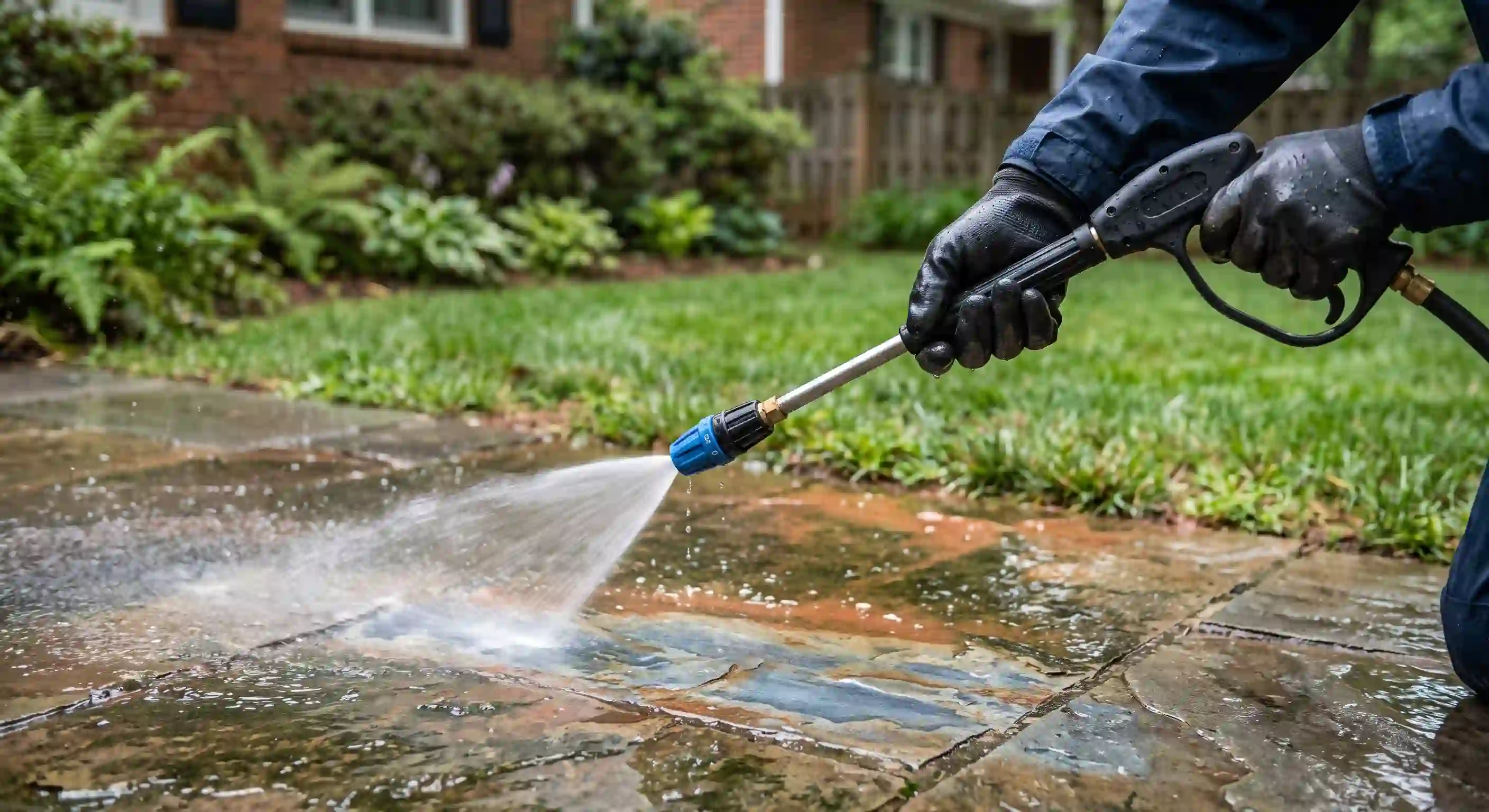
- Sweep or blow off leaves, pollen, and debris, then wash the surface. A garden hose and stiff brush handle light buildup. A pressure washer on a low setting works for heavier grime, but keep the wand moving and never blast directly into paver joints.
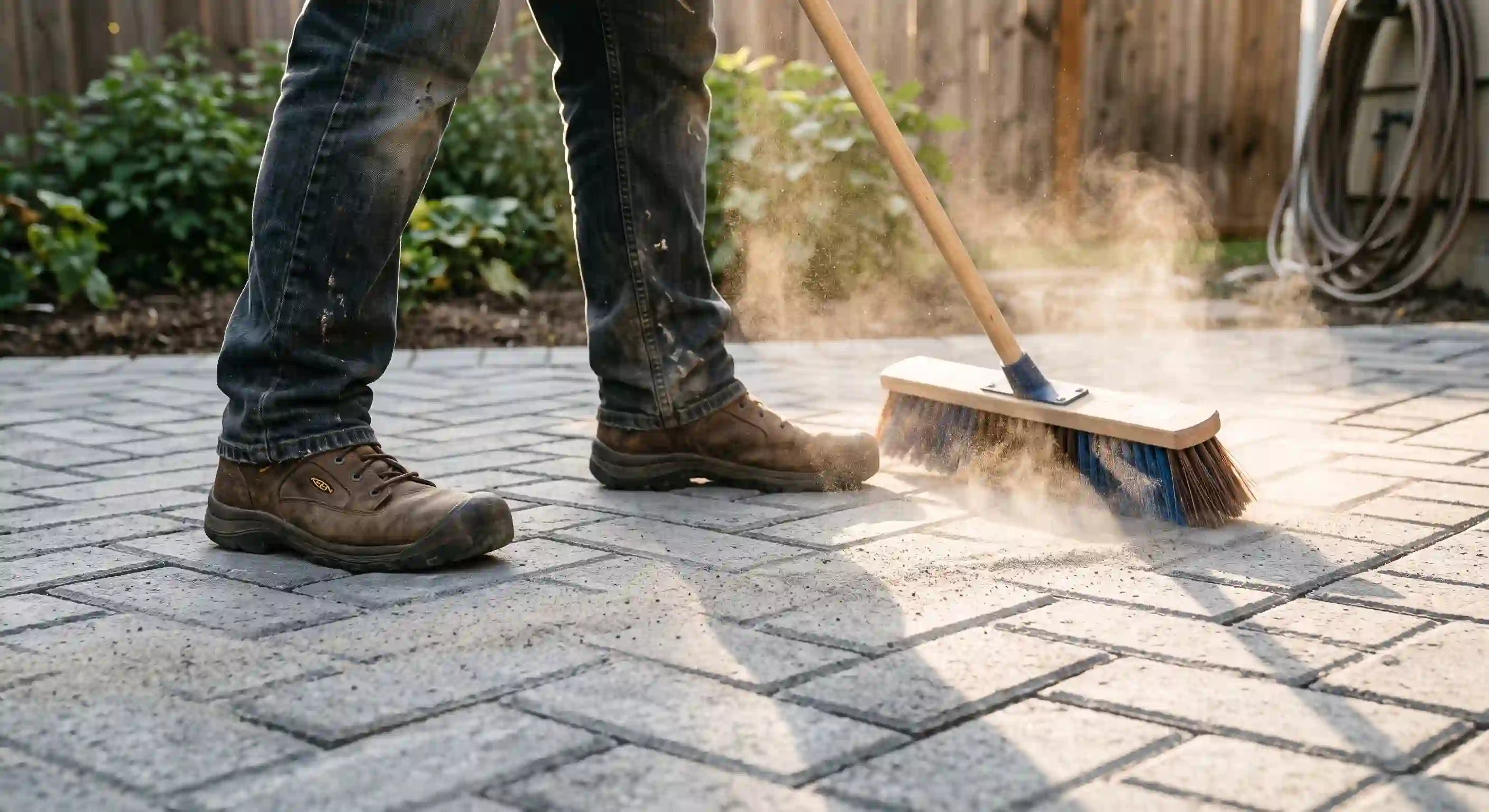
- Refill joint sand where it has washed out. Polymeric sand is the best choice for pavers because it hardens slightly and resists both washout and weeds.
Summer: Control Growth and Watch for Water
Summer hardscape maintenance Charlotte homeowners handle is mostly about weeds and moisture. Check joints monthly and pull anything sprouting. Rinse off spills from grilling and drinks before they set into porous stone. After major storms, look for new low spots where water lingers, since standing water is the early warning sign of base problems.
Fall: Clear Leaves and Seal
Fall leaf drop is heavy across Charlotte, and wet leaves left on stone leave tannin stains and hold moisture against the surface. Clear them weekly. Fall is also the ideal window for sealing pavers and natural stone, because temperatures are moderate and rainfall is lighter than spring. A quality sealer blocks stains, slows algae, and locks joint sand in place.
Winter: Protect and Plan
Avoid rock salt on pavers and concrete. It accelerates surface flaking and damages nearby plantings. Use sand for traction if ice forms. Winter is also a good time to plan repairs, since contractors have more availability before the spring rush.
Cleaning Patios and Walkways the Right Way
Cleaning is where most hardscape maintenance Charlotte homeowners do themselves goes wrong. Too much pressure, the wrong cleaner, or the wrong technique can do more damage than the dirt ever did.
Pavers and concrete. Use a pressure washer at 1500 to 2000 psi with a fan tip held at least a foot from the surface. Work at a 45 degree angle so you are not driving water straight into the joints. Rinse and let everything dry before adding sand or sealer.
Natural stone like flagstone and bluestone. Skip the pressure washer or use its lowest setting. Stone is softer than it looks and can pit or flake. A pH neutral stone cleaner, warm water, and a soft brush are safer.
Algae and moss. An oxygen bleach solution or a commercial outdoor cleaner designed for hardscape breaks down growth without harming plants nearby. Avoid chlorine bleach near lawns and beds.
Stains. Rust, oil, and leaf tannins each need a different product. Test any cleaner on a hidden corner first. Sealed surfaces release stains far more easily than unsealed ones.
Managing Weeds and Joint Sand
Weeds in paver joints are not growing up from below. They sprout from seeds that land in the sand and germinate in the moisture there. That means the fix is keeping joints full and firm.
Polymeric sand, swept into dry joints and lightly misted, sets into a semi rigid fill that resists seeds, ants, and washout for several years. Standard jointing sand needs topping up every year or two. If weeds are established, pull them and refill rather than spraying and leaving the gap open.
Fixing Sunken or Heaved Pavers
A dip in a walkway or a raised corner on a patio is almost always a base problem, not a paver problem. In Charlotte, the usual culprits are clay movement, water washing out the base, or roots pushing up from below.
For a small area, individual pavers can be lifted, the base re compacted with fresh gravel and sand, and the pavers reset flush. For large areas, or where the same spot keeps sinking, the base was likely built too thin or over unstable clay, and a proper rebuild with adequate gravel depth is the real solution. This is where professional hardscape maintenance Charlotte contractors provide earns its cost, because guessing at base repairs often means doing the job twice.
If you are dealing with recurring settlement, our hardscaping services include base evaluation and rebuilds designed for local soil conditions, so the repair lasts.
Retaining Wall and Seat Wall Care
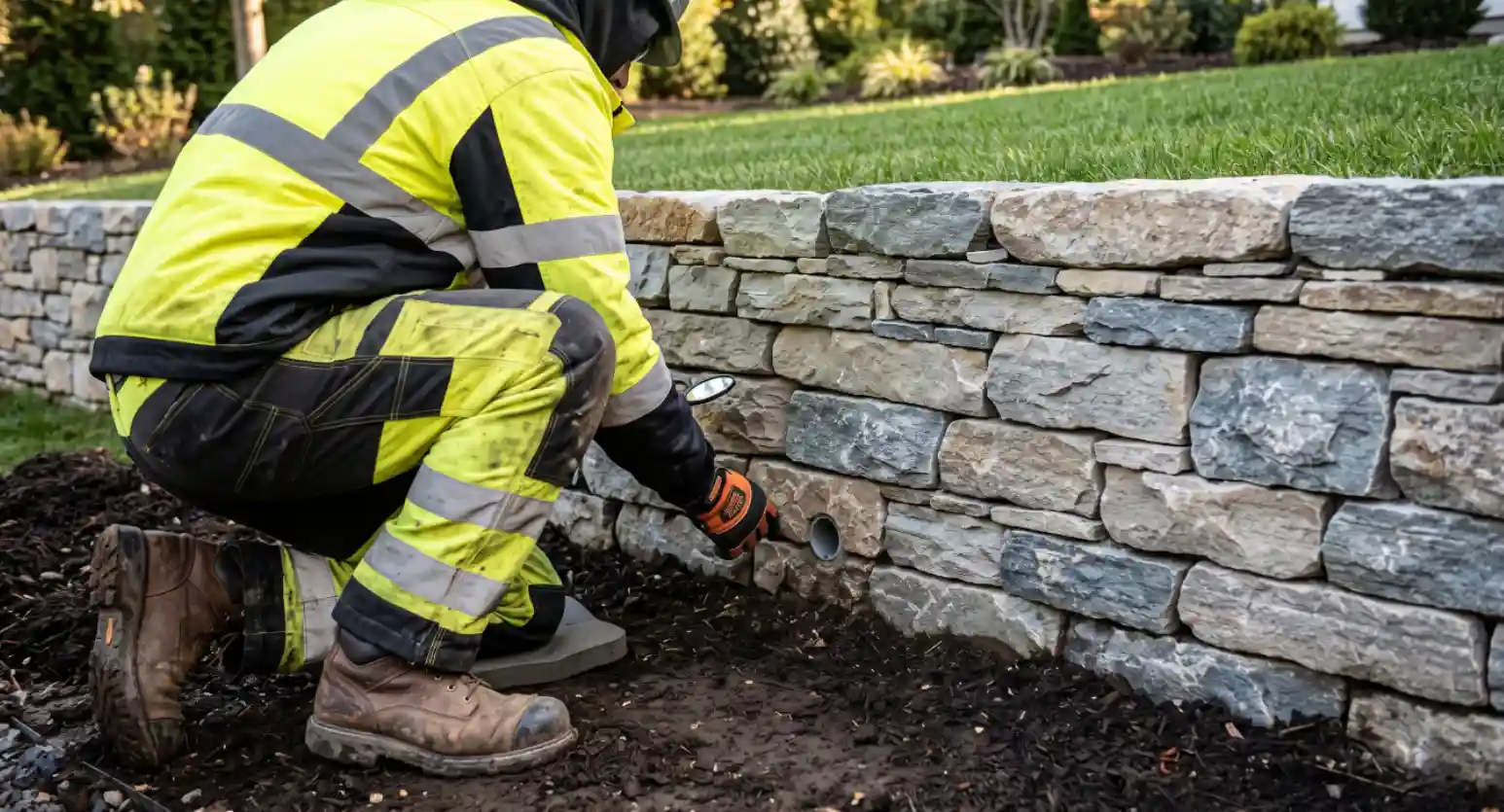
Wall care is the most overlooked part of hardscape maintenance Charlotte properties need. Walls fail from the back, not the front. Water building up behind a wall creates pressure that pushes blocks forward, opens joints, and eventually topples sections. Once a year, check that weep holes and drain outlets are clear, that soil has not settled into a low spot that funnels water toward the wall, and that no block has shifted more than a fraction of an inch from its neighbors. Wash the face as you would a patio, and reset loose capstones with masonry adhesive before they become a hazard.
Drainage: The Hidden Half of Hardscape Maintenance
Nearly every serious hardscape problem in Charlotte traces back to water going where it should not. Downspouts emptying onto patios, grades that slope toward walkways, and clogged drains all quietly undermine surfaces you paid thousands for.
Once a season, watch your hardscape during a heavy rain and note where water collects and runs. Extend downspouts, clear drains, and regrade beds so water moves away from stone toward proper outlets. Good drainage does more for long term hardscape maintenance Charlotte homes require than any cleaner or sealer.
Sealing: When, Why, and How Often
Sealing is optional but highly recommended for pavers and natural stone in this climate. A sealer keeps water and stains out of the pores, slows algae, and brightens color. Apply it to a clean, dry surface in fall or late spring when no rain is expected for 48 hours. Most sealers last two to four years, and a simple water test tells you when it is time: if water soaks in instead of beading, reseal.
When to Call a Professional
Routine sweeping, cleaning, weeding, and sanding are well within reach for most homeowners. Call a contractor for:
- Sunken or heaved areas larger than a few square feet, or spots that return after being fixed.
- Cracked or leaning retaining walls, especially anything over three feet tall.
- Persistent standing water or erosion that points to a drainage design problem.
- Full cleaning, joint restoration, and sealing on large patios, where equipment and product knowledge make a visible difference.
- Any repair that involves lifting more than a small section of pavers.
A professional hardscape maintenance Charlotte plan usually pays for itself, because catching base and drainage issues early prevents the full rebuilds that come from ignoring them.
Keep Your Charlotte Hardscape Looking New
Consistent hardscape maintenance Charlotte homeowners can manage in a few hours each season protects one of the biggest investments in the yard. Sweep, clean, sand, seal, and watch the water, and your patio and walkways will stay safe and beautiful for decades to come. When a problem is bigger than a weekend project, The Groundsmen Landscaping can evaluate, repair, and restore patios, walkways, and walls built for Charlotte soil and weather. Reach out to schedule a hardscape assessment.
Frequently Asked Questions
How often should I pressure wash my patio in Charlotte?
Once a year is enough for most surfaces. Shaded patios that grow algae quickly may need a light cleaning twice a year.
Do I need to seal pavers?
Sealing is not required, but it makes cleaning easier, prevents most stains, and helps joint sand stay put. It is one of the best returns on a small investment.
Why do weeds keep coming back in my paver joints?
Seeds are landing in loose or missing sand. Refill joints with polymeric sand after cleaning, and weeds will drop off dramatically.
Can a sunken walkway be fixed without replacing it?
Usually, yes. Pavers can be lifted, the base rebuilt, and the same pavers reset. Poured concrete that has settled is harder to repair and may need lifting or replacement.
What is the best time of year for hardscape repairs?
Fall and early spring offer moderate temperatures and workable soil. Summer heat and storms can slow projects.