
Retaining Wall Design Ideas for Charlotte Sloped Yards
If your Charlotte property slopes, you already know the headaches: water running where it shouldn't, soil washing away after a heavy rain, and usable yard space that feels frustratingly out of reach. The right retaining wall design charlotte homeowners trust can solve all of that — turning an awkward hillside into a stable, beautiful, and functional part of your landscape.
In this guide, we'll walk through the best retaining wall design ideas for sloped yards, the materials that work well in our region, local permit rules to know, and how to plan a wall that lasts.
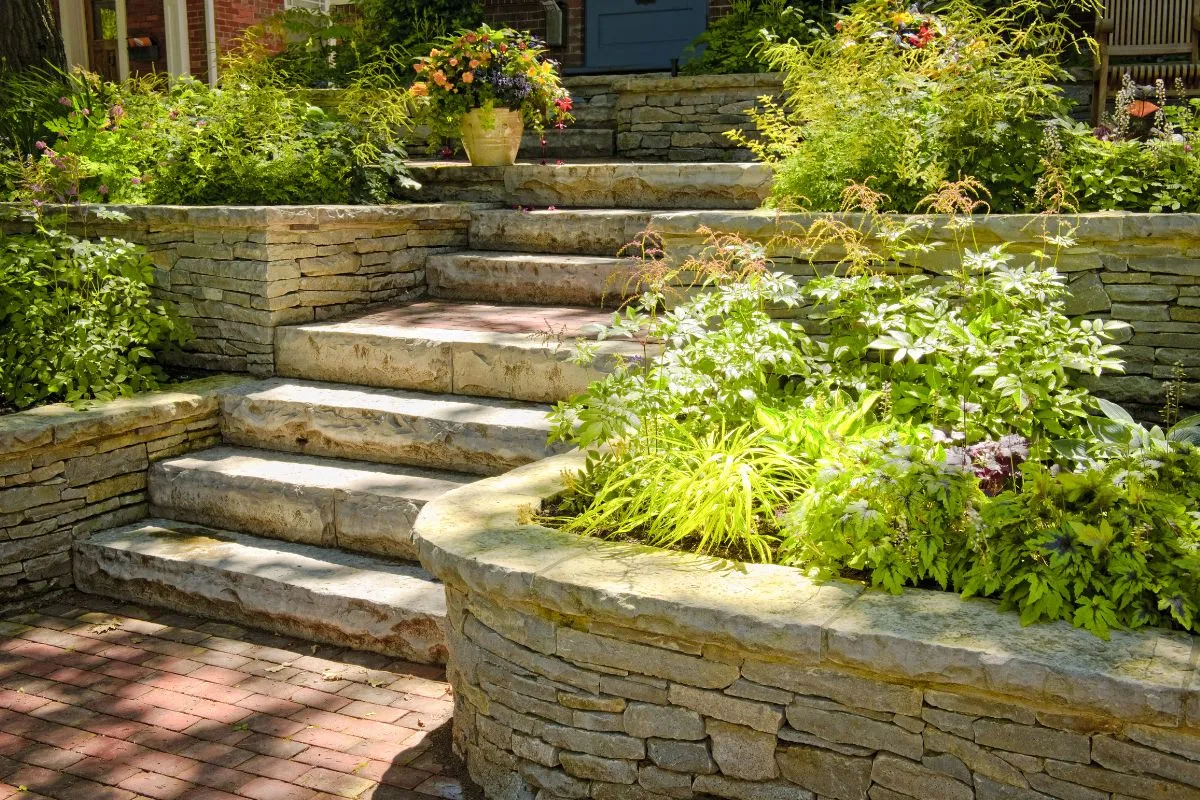
Why Sloped Yards Are So Common in Charlotte
Charlotte and the surrounding Piedmont sit on gently rolling hills with red clay soil — a combination that creates plenty of sloped lots. While those slopes add character, they also create real challenges:
- Erosion that washes away soil and mulch during storms
- Drainage problems that send water toward your home's foundation
- Wasted space on grades too steep to use or mow safely
- Uneven settling that can damage patios, walkways, and plantings
A well-built retaining wall addresses every one of these issues at once. It holds soil in place, redirects water, and carves out flat, usable terraces where there was once an unusable hill.
Retaining Wall Design Charlotte Homeowners Love
When planning a retaining wall design charlotte yards can truly benefit from, the goal is to balance function and beauty. A good wall does its structural job while enhancing the look of your entire landscape. Here are some of the most popular and effective ideas for local properties.
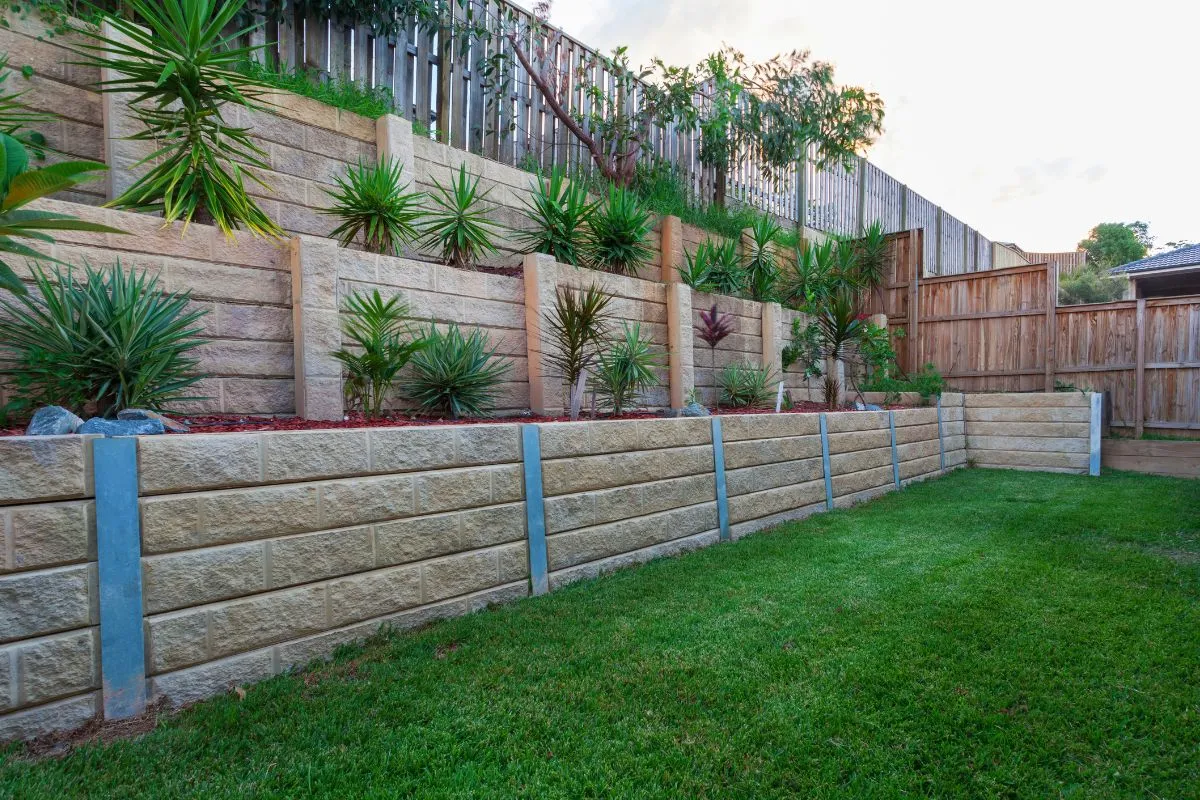
- Reduces pressure on any single wall
- Creates multiple planting beds or seating areas
- Looks natural and visually striking on a hillside
Best Materials for Charlotte Retaining Walls
Material choice affects durability, cost, and appearance. Here are the most common options for our climate and soil.
Segmental Concrete Block
Interlocking concrete blocks are among the most popular choices because they're durable, engineered for soil retention, available in many colors and textures, and cost-effective for medium to large walls.
Natural Stone
For a timeless, high-end look, natural stone is hard to beat. It blends beautifully with the landscape and lasts for generations, though it typically costs more and requires skilled installation.
Poured Concrete
Poured concrete walls offer maximum strength and a clean, modern look. They work well for taller or load-bearing applications and can be finished or veneered for added style.
Brick
Brick complements many Charlotte homes, especially traditional architecture, and offers a classic, refined appearance. It pairs well with other masonry features around the property.
Timber
Wood walls bring a warm, natural aesthetic at a lower price point. They suit casual or rustic landscapes but generally have a shorter lifespan than masonry options in our humid climate.
The Critical Role of Drainage
Here's a truth every Charlotte homeowner should know: the number one cause of retaining wall failure is poor drainage. Our red clay holds water, and that water creates enormous pressure behind a wall during heavy rains.
A properly designed wall manages water with:
- Gravel or aggregate backfill that lets water drain freely
- Perforated drainage pipe at the base to carry water away
- Weep holes that relieve built-up pressure
- Proper grading that directs runoff around the structure
Skipping drainage to save money is the single most expensive mistake you can make — a failed wall can cost far more to rebuild than it did to install. This is exactly where professional design and installation pay off.
Charlotte Retaining Wall Permits and Regulations
Before building, it's important to understand local rules, which protect both your investment and your safety.
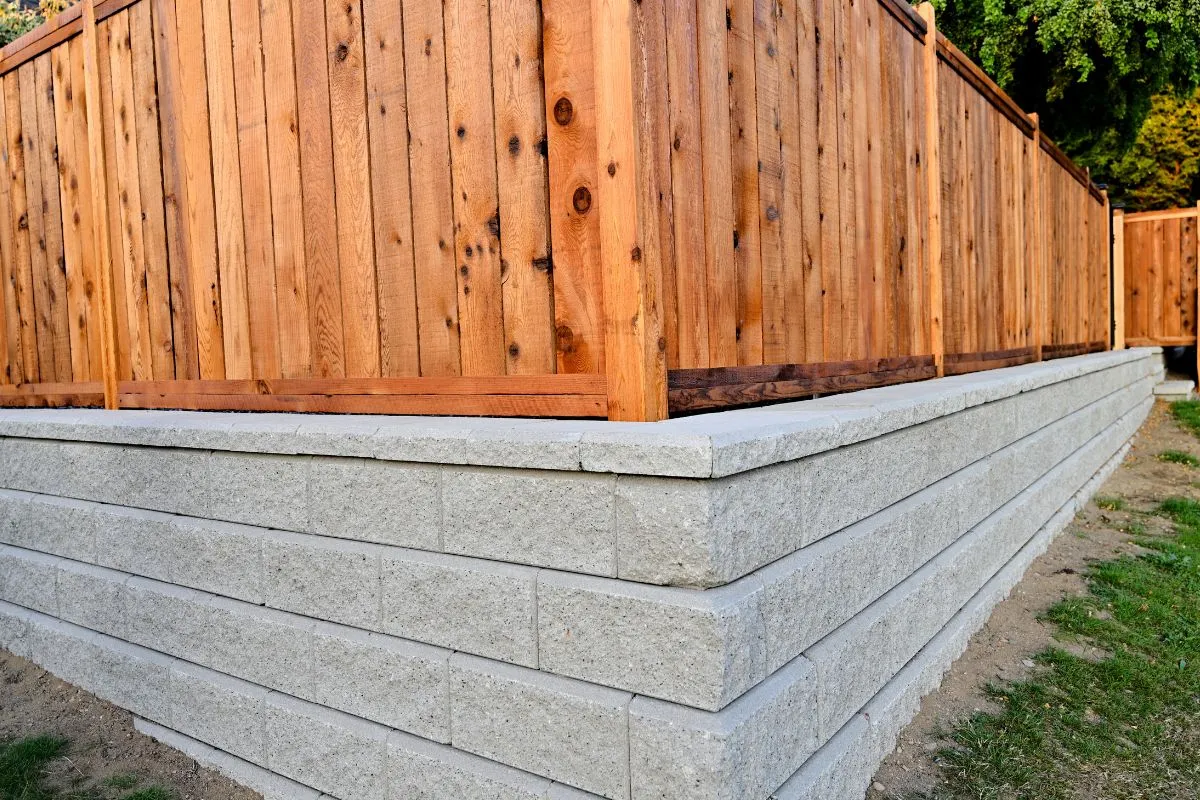
In Mecklenburg County, retaining walls that support five feet or more of soil typically require a building permit and often need engineered drawings prepared by a licensed professional. North Carolina regulations generally require an engineer for any retaining wall exceeding five feet in height.
Even shorter walls may require city review depending on:
- Location relative to property lines and easements
- Proximity to structures or the public right-of-way
- Drainage impact on neighboring properties
Because more than one authority can be involved (Mecklenburg County for building permits, the City of Charlotte for zoning and stormwater), the permitting process can get confusing. Working with an experienced local team takes that burden off your plate — they know which permits apply and how to secure them correctly.
How to Plan Your Retaining Wall Project
A successful wall starts long before the first block is laid. Here's how to approach it.
Understanding your grade and clay conditions determines the right design and reinforcement. Charlotte's dense red clay behaves differently from other soil types and must be accounted for in the wall's engineering.
Are you stopping erosion, creating usable space, adding seating, or all three? A clear goal guides every material and design decision that follows.
Select a material that fits your home's style, your budget, and the wall's structural needs. For most residential walls in Charlotte, segmental concrete block offers the best balance of durability, appearance, and cost.
Plan drainage from the start rather than treating it as an afterthought. Gravel backfill, a drainage pipe, and weep holes are non-negotiables for any wall in Charlotte's clay soil.
Check permit requirements for anything tall or near property lines. Walls over five feet in Mecklenburg County require a permit and engineered drawings — skipping this step can result in costly forced removal.
Work with someone who understands Charlotte's soil, climate, and codes. Thoughtful planning ensures your wall performs for decades instead of becoming a costly repair down the road.
Integrating Your Wall with the Rest of Your Landscape
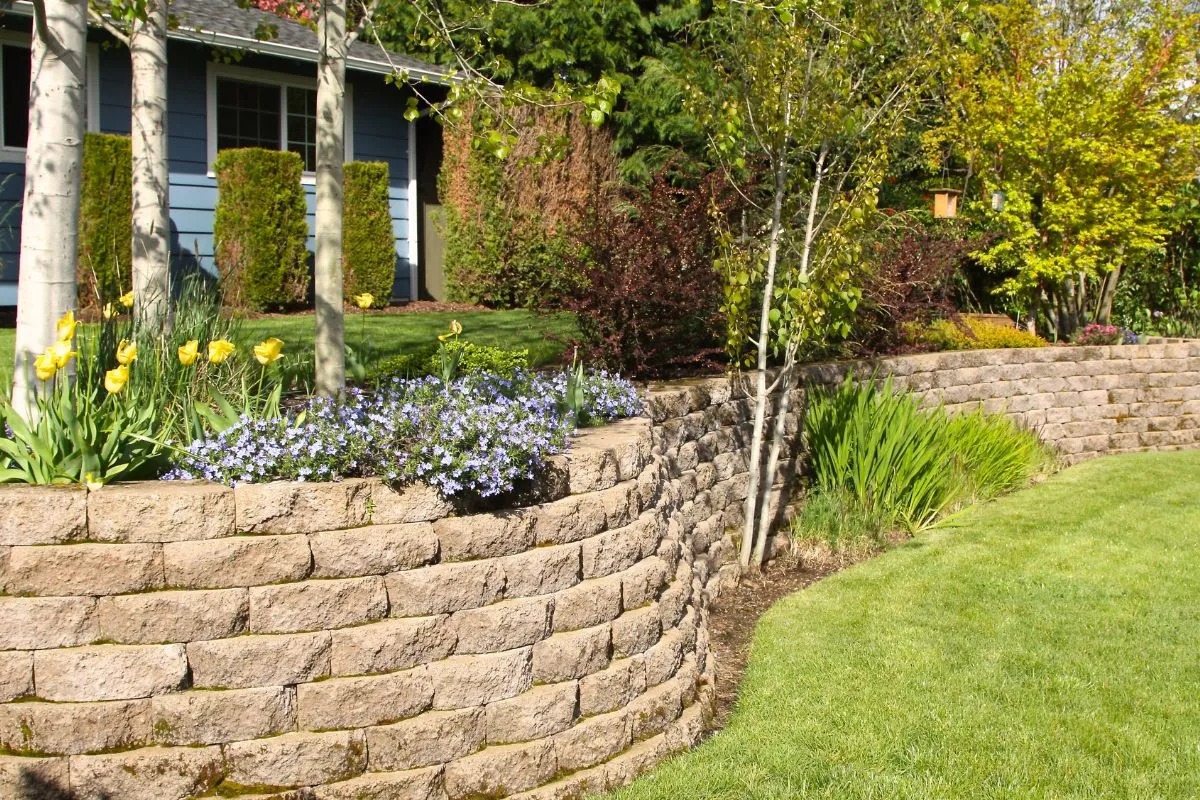
A retaining wall shouldn't look like an afterthought bolted onto your yard. The most successful projects treat the wall as one part of a cohesive outdoor design, blending it seamlessly with plantings, hardscape, and lawn.
- Soften hard edges with plantings. Native shrubs, ornamental grasses, and cascading perennials at the base and top of the wall blur the line between structure and garden.
- Coordinate materials. Matching or complementing your wall material to existing patios, walkways, or your home's exterior creates visual harmony.
- Add lighting. Low-voltage landscape lighting along a wall highlights its texture at night and improves safety on sloped terrain.
- Create usable terraces. Pair your wall with leveled lawn, a patio, or garden beds so the reclaimed space actually gets used and enjoyed.
- Plan for the long view. Consider how the wall will look from inside your home and from the street, not just up close.
When a retaining wall is designed as part of the whole landscape, it stops being a purely functional barrier and becomes a defining feature that elevates your entire property. Charlotte's clay soil and sloped lots make this kind of holistic planning especially important — a wall that ignores the surrounding grade, drainage, and plantings can create new problems even as it solves old ones.
Frequently Asked Questions
Transform Your Sloped Charlotte Yard Today
A sloped yard doesn't have to be a liability. With smart retaining wall design, Charlotte homeowners can stop erosion, solve drainage problems, and unlock beautiful, usable outdoor space — all while boosting your property's value and curb appeal.
At The Groundsmen, we help Charlotte homeowners design and build retaining walls that are as durable as they are attractive, engineered for our local soil, climate, and codes. From initial design to drainage and finishing, our hardscaping team handles every detail.
Ready to reclaim your hillside? Contact The Groundsmen today for a consultation and let's turn your sloped yard into a standout outdoor space built to last.