
Charlotte Yard Drainage Solutions: Fix Standing Water Problems
Few things are more frustrating than a yard that turns into a swamp every time it rains. If you're dealing with soggy spots, puddles that linger for days, or water creeping toward your foundation, you need real yard drainage solutions charlotte homeowners can count on. Our red clay soil, rolling terrain, and heavy summer thunderstorms make drainage one of the most common landscape headaches in the area.
The good news? Almost every drainage problem has a fix. In this guide, we'll cover why Charlotte yards flood, the warning signs to watch for, and the proven solutions that keep your property dry and healthy.
Why Charlotte Yards Struggle with Drainage
Charlotte and the surrounding Piedmont present a perfect storm for drainage problems. Understanding the causes helps you choose the right fix.
- Dense red clay soil drains slowly and holds water near the surface long after a storm
- Sloped, rolling lots channel runoff toward low spots and foundations
- Heavy rainfall, with the region averaging around 40 inches a year, often arriving in intense summer downpours
- Compacted soil from construction and foot traffic that worsens absorption
- Poor grading that directs water toward your home instead of away from it
When these factors combine, even a modest rain can leave parts of your yard underwater. Left unaddressed, standing water damages your lawn, kills plants, breeds mosquitoes, and threatens your home's foundation.
Warning Signs You Have a Drainage Problem
Not sure if you have a real issue? Watch for these red flags around your property:
- Puddles that linger more than a day after rain
- Soggy, spongy turf that stays wet underfoot
- Bare or dying patches where grass has drowned out
- Water stains or moisture in the basement or crawl space
- Erosion channels or washed-out mulch after storms
- Mosquito activity concentrated in damp areas
- A musty smell near the foundation
Catching these signs early lets you fix the problem before it causes expensive structural or landscape damage.
Yard Drainage Solutions Charlotte Homeowners Rely On
When it comes to effective yard drainage solutions charlotte properties need, there's no single magic fix. The right approach depends on your specific terrain, soil, and the source of the water. Here are the most proven options for local yards.
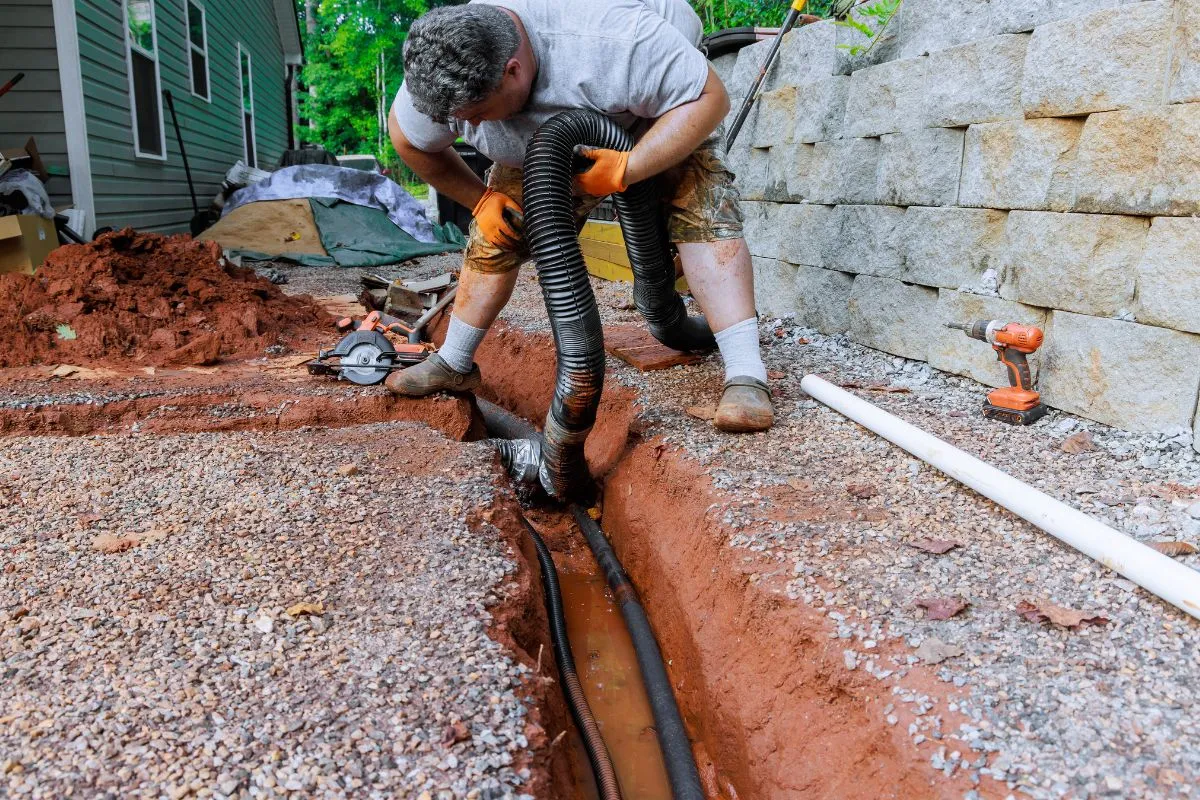
A French drain is one of the most reliable fixes for standing water. It's a gravel-filled trench with a perforated pipe that collects water and redirects it away from problem areas.
- Best for: Soggy low spots, water pooling near foundations, and persistent wet zones
- Why it works: It gives trapped water a clear path to drain away, even in heavy clay
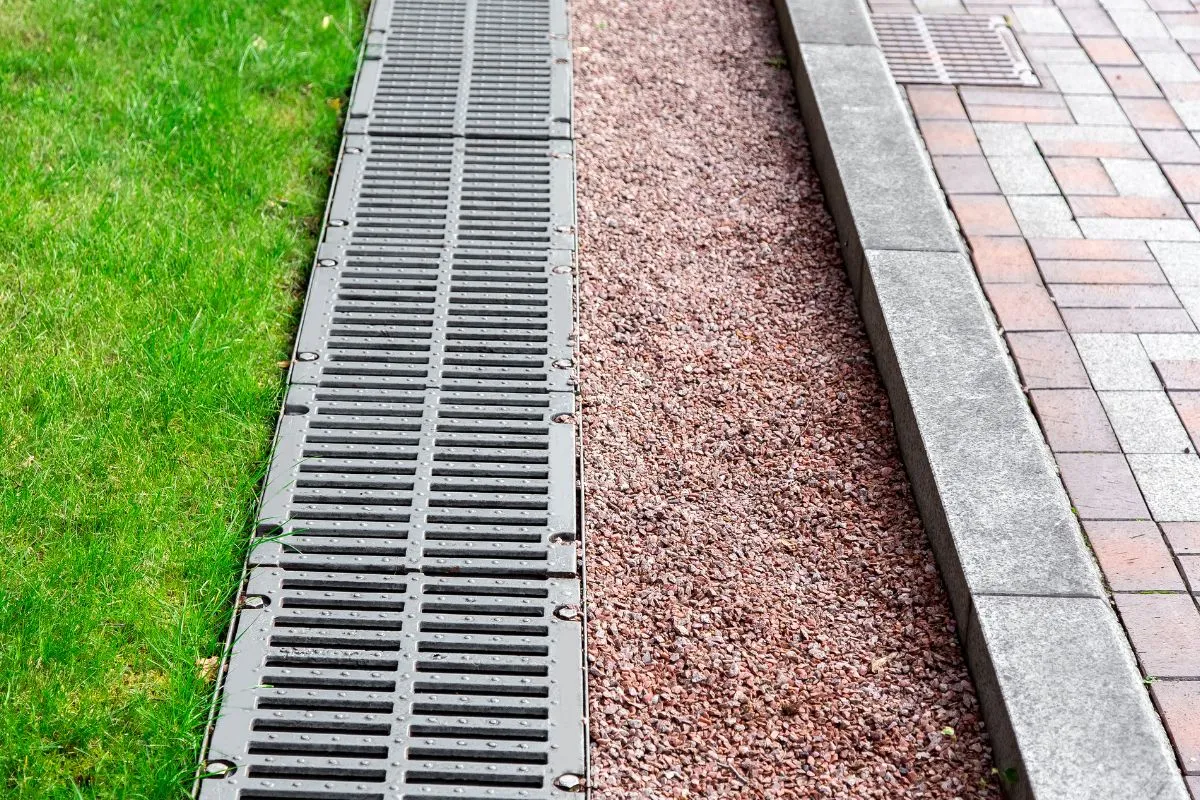
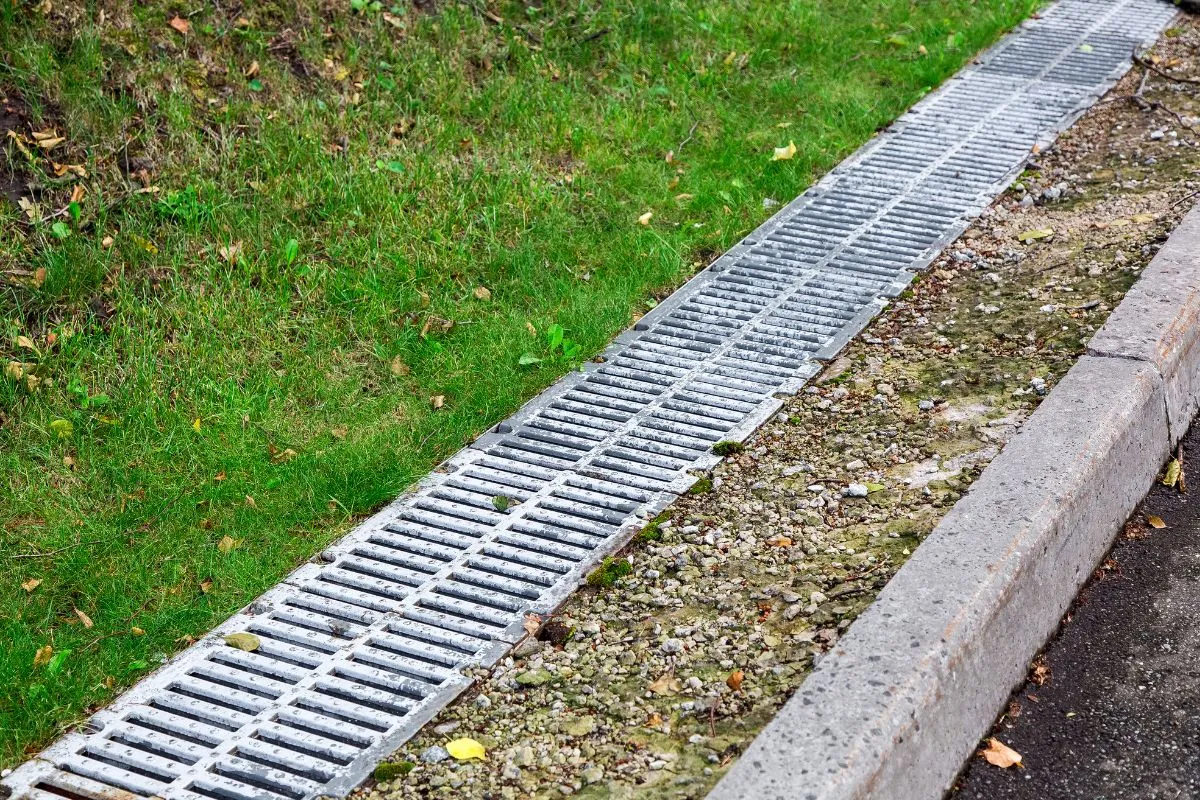
Channel drains (or trench drains) sit at the surface to catch water before it pools, often along driveways, patios, and walkways.
- Best for: Hardscape areas where water collects on flat surfaces
- Why it works: It intercepts runoff at the source and routes it to a safe outlet
Catch basins collect water at low points and feed it into underground pipes, while dry wells store and slowly release water into the surrounding soil.
- Best for: Yards with a defined low spot that collects runoff
- Why it works: They capture large volumes of water and manage its release underground
Sometimes the fix is reshaping the land itself. Proper grading ensures the ground slopes away from your home, directing water toward appropriate drainage points.
- Best for: Water flowing toward the foundation, or yards with poor original grading
- Why it works: It addresses the root cause rather than just managing symptoms
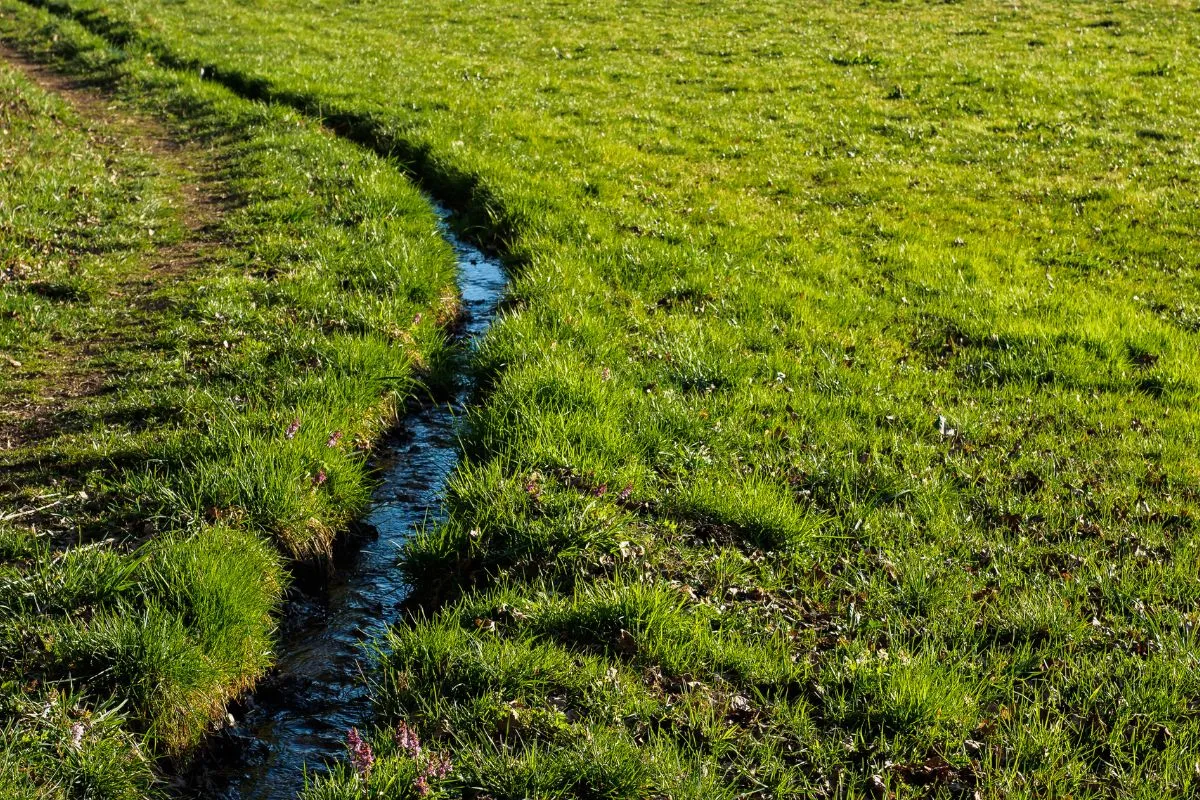
A rain garden is a planted, shallow basin that captures runoff and lets it soak in naturally, using moisture-loving native plants.
- Best for: Homeowners who want an attractive, eco-friendly solution
- Why it works: It manages water while adding beauty and supporting pollinators
Often the simplest fix of all. Extending downspouts carries roof runoff well away from the foundation instead of dumping it right beside the house.
- Best for: Water pooling directly under gutters and downspouts
- Why it works: It's a low-cost first step that solves many minor drainage issues
Matching the Solution to Your Problem
The biggest mistake homeowners make is treating the symptom instead of the source. A puddle in the lawn and water in the crawl space may call for completely different fixes. Here's a quick way to think about it:
- Water near the foundation? Start with downspout extensions and regrading
- Standing water in the lawn? A French drain or catch basin is likely the answer
- Pooling on patios or driveways? Channel drains intercept it best
- Want beauty plus function? A rain garden does double duty
In many cases, the best result comes from combining solutions — for example, regrading the yard and adding a French drain to handle the redirected water. A professional assessment identifies exactly where water originates and where it needs to go.
The Special Challenge of Charlotte's Clay Soil
Charlotte's red clay deserves special mention because it changes the drainage equation. Clay particles are tiny and pack tightly, which means water absorbs slowly and sits on the surface far longer than it would in sandy or loamy soil.
This is why some popular DIY fixes fall short here. Simply digging a hole and hoping water drains away often fails, because the surrounding clay won't let it percolate. Effective drainage in clay soil usually requires:
- Engineered drainage paths like French drains with proper gravel and pipe
- Routing water to a suitable outlet rather than relying on absorption
- Soil amendment in planting areas to improve structure over time
- Proper slope to keep water moving rather than ponding
Working with someone who understands local soil conditions makes the difference between a fix that lasts and one that fails after the next big storm.
DIY vs. Professional Drainage Help
Some minor drainage issues are weekend-project territory. Extending a downspout, clearing clogged gutters, or aerating compacted soil are all reasonable do-it-yourself tasks.
However, larger or recurring problems usually call for professional help, especially when:
- Water threatens your foundation or enters the home
- The yard requires regrading or significant earthwork
- You need underground drainage like French drains or catch basins
- Clay soil makes simple fixes ineffective
- Multiple problem areas require a coordinated plan
Professional drainage work also protects your investment. A poorly installed drain can make problems worse or simply move the water to a neighbor's yard. Proper design, slope, and outlet placement are essential for a lasting fix.
How Drainage Connects to a Healthy Lawn
Drainage isn't just about avoiding puddles — it's foundational to everything else in your landscape. Chronically wet soil suffocates grass roots, invites fungal disease, and creates the patchy, struggling turf so many Charlotte homeowners battle.
Once drainage is corrected, the rest of your lawn care actually works. Fertilizer stays put instead of washing away, grass roots breathe and grow deep, and your investment in plantings and turf pays off. Solving drainage is often the missing piece that turns a perpetually struggling yard into a thriving one.
Maintaining Your Drainage System
Once your drainage is in place, a little upkeep keeps it working through every Charlotte storm season. Even the best-designed system can clog or lose efficiency without occasional attention.
- Keep gutters and downspouts clear so roof water actually reaches your drainage outlets
- Inspect drain grates and catch basins for leaves and debris, especially in fall
- Flush French drains periodically to clear sediment buildup in the pipe
- Check outlets after heavy rain to confirm water is exiting where it should
- Watch for new low spots as soil settles over time
Routine maintenance is far cheaper than repairing a failed system or undoing water damage. Pairing your drainage with regular yard maintenance ensures the whole landscape stays healthy.
Frequently Asked Questions
Get Rid of Standing Water for Good
Standing water doesn't have to be a permanent feature of your Charlotte yard. With the right drainage solutions matched to your soil and terrain, you can protect your home, revive your lawn, and finally enjoy a dry, usable outdoor space — even after our heaviest summer storms.
At The Groundsmen, we help Charlotte homeowners diagnose and solve drainage problems at the source. From grading and French drains to ongoing yard maintenance, our experienced team designs lasting solutions built for our local clay soil and climate.
Tired of soggy, flooded ground? Contact The Groundsmen today for a consultation and let's get your yard dry, healthy, and ready to enjoy.