
When to Mulch in Charlotte: Spring vs Fall Timing Guide
Mulch is one of the simplest, most powerful tools for a healthy Charlotte landscape — but timing makes all the difference. If you've ever wondered exactly when to mulch charlotte yards for the best results, you're asking the right question. Mulch too early and you trap cold in the soil; mulch too late and weeds and heat get the upper hand. Get the timing right, and you'll save water, suppress weeds, and keep your plants thriving through our hot, humid summers.
This guide breaks down spring versus fall mulching for Charlotte's specific climate, so you know exactly when to grab the wheelbarrow.
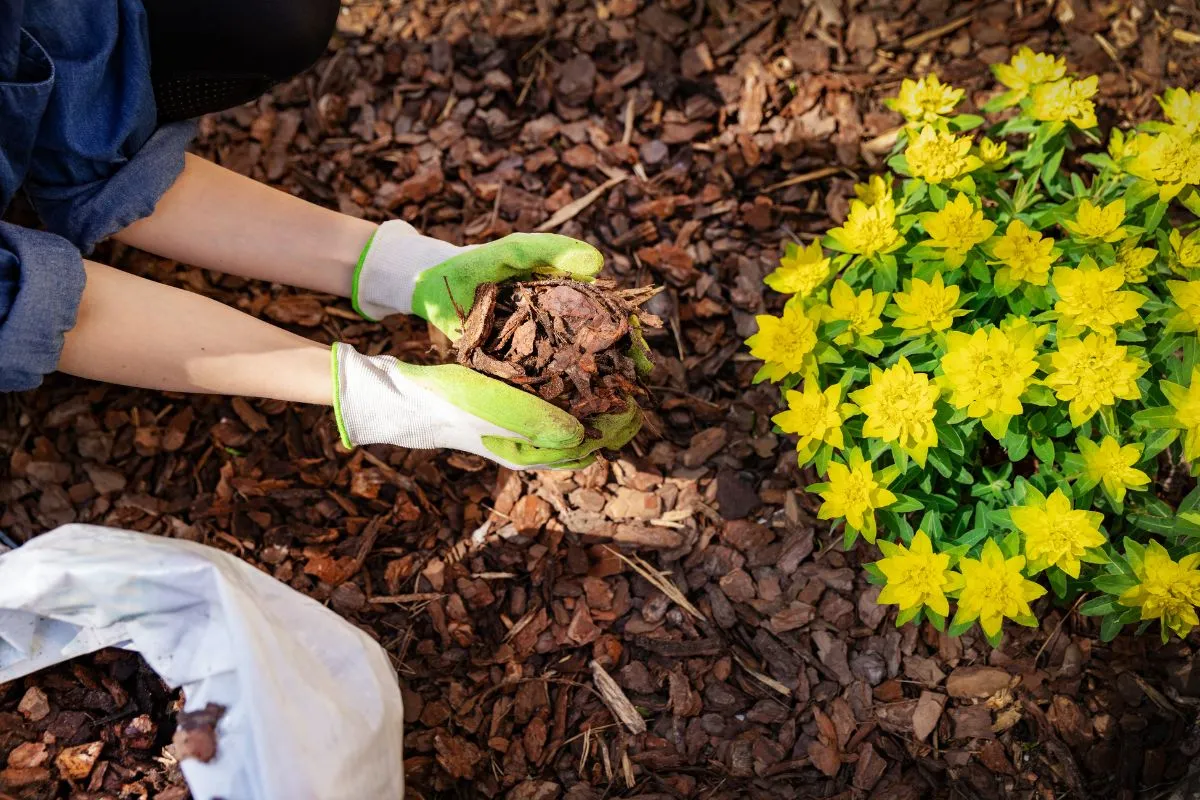
Why Mulch Timing Matters in Charlotte
Charlotte sits in USDA hardiness zone 7b to 8a, with a long growing season of roughly 200 frost-free days, hot humid summers, and mild winters. Our last spring frost typically lands between mid-March and mid-April, while the first fall frost arrives in early to mid-November.
Those dates matter because mulch acts as insulation. It moderates soil temperature, locks in moisture, and shields roots — but only if you apply it at the right moment. In our climate, mulch primarily helps your landscape:
- Retain moisture during dry, scorching summer stretches
- Suppress weeds before they get established
- Regulate soil temperature through seasonal swings
- Protect roots from heat in summer and cold in winter
- Improve soil as organic mulch breaks down over time

When to Mulch Charlotte Yards in Spring
For most Charlotte homeowners, spring is the prime mulching season. The ideal window for when to mulch charlotte landscapes in spring is mid-April through May, after the soil has warmed and the threat of frost has passed.
Why wait until then? If you mulch too early, while the ground is still cold, you trap that chill in the soil and slow down root growth just as plants are waking up. Letting the soil warm first gives your plants a healthy head start.
Benefits of Spring Mulching:
- Locks in spring moisture ahead of the dry summer months
- Blocks weeds before they sprout and take over beds
- Sets up plants for vigorous summer growth
- Refreshes curb appeal with a clean, finished look for the season
Spring Mulching Tips
- Wait until the soil has warmed, generally after mid-April
- Pull existing weeds before laying new mulch
- Apply a 2 to 3 inch layer, no more
- Keep mulch a few inches away from plant stems and tree trunks
When to Mulch Charlotte Yards in Fall
Fall mulching serves a different purpose, focused on protection rather than growth. The best window is mid-October through November, before the first hard frost but after the worst summer heat has broken.
Fall mulch insulates roots against winter cold and temperature swings, which is especially valuable for newly planted trees, shrubs, and perennials. It also continues suppressing cool-season weeds and steadily enriches the soil over winter.
Benefits of Fall Mulching:
- Insulates roots through cold snaps and freeze-thaw cycles
- Protects new plantings installed in fall, a popular planting season here
- Reduces winter weeds that would otherwise establish
- Conserves moisture during dry winter spells
Fall Mulching Tips
- Apply after the ground has cooled but before the first hard freeze
- Clear fallen leaves and debris from beds first
- A slightly thicker layer is fine for winter insulation
- Focus on protecting the root zones of vulnerable plants
Spring vs Fall: Which Is Right for You?
The honest answer is that both seasons have value, and many Charlotte homeowners mulch lightly twice a year. But if you only mulch once, here's how to decide.
Choose spring if:
- Your main goals are moisture retention and weed control
- You want your beds looking fresh for the growing season
- You have established plantings that need summer protection
Choose fall if:
- You installed new trees, shrubs, or perennials this year
- Winter root protection is your priority
- You want to get ahead of cool-season weeds
For most yards, a primary spring application with a lighter fall touch-up delivers the best of both worlds.
How Much Mulch Should You Use?
More is not better when it comes to mulch. The sweet spot is a 2 to 3 inch layer. Too little won't suppress weeds or hold moisture effectively, while too much can suffocate roots and lead to problems.
Avoid the common mistake of "volcano mulching" — piling mulch up against tree trunks in a cone shape. This traps moisture against the bark, invites rot and pests, and can slowly kill the tree. Instead, keep mulch pulled back a few inches from trunks and stems, creating a flat, donut-shaped ring.
Choosing the Right Mulch for Charlotte
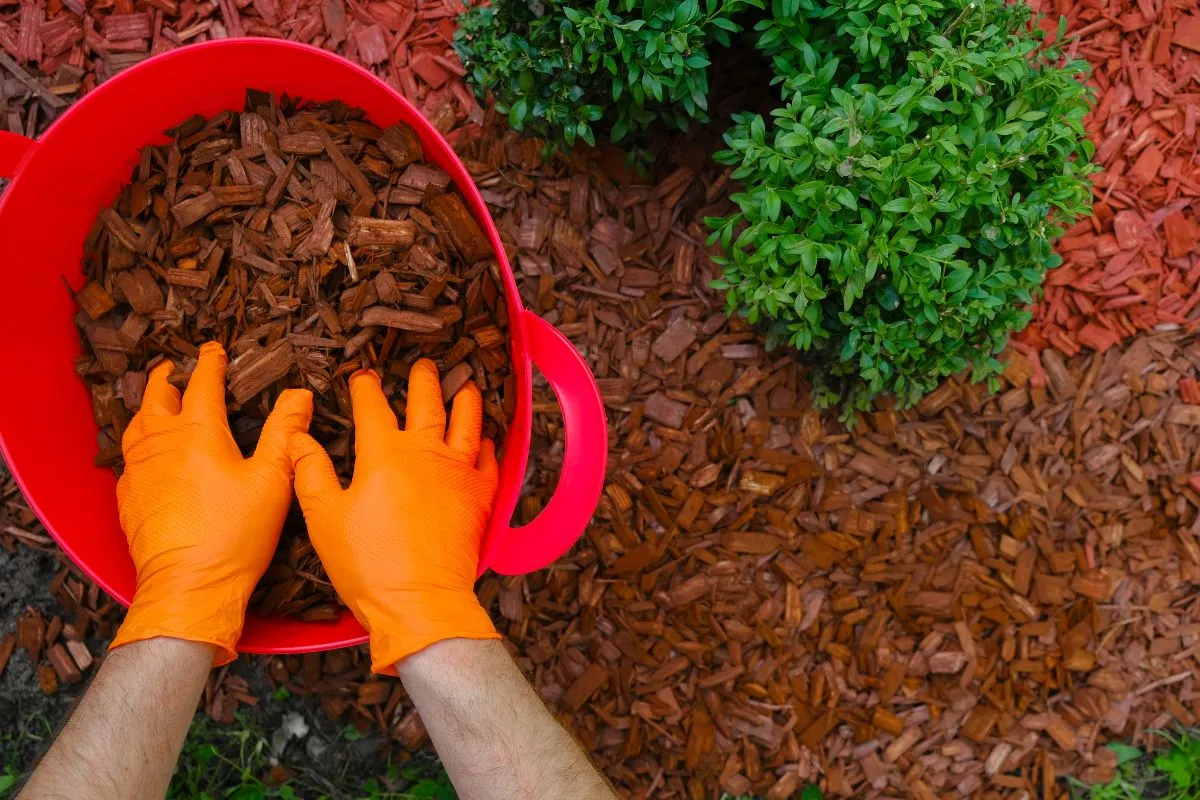
Different mulches suit different needs. Here are the most common options for local landscapes.
Common Mulching Mistakes to Avoid
Even with good timing, a few missteps can undermine your efforts. Watch out for these:
- Mulching too thick, which suffocates roots and repels water
- Volcano mulching against trunks, inviting rot and pests
- Skipping weed removal before applying, letting weeds grow right through
- Mulching too early in spring, trapping cold in the soil
- Forgetting to refresh old, compacted mulch that no longer functions well
How to Mulch Your Beds the Right Way
Applying mulch correctly is just as important as timing it well. Here's a simple step-by-step approach.
Remove weeds, dead foliage, and any old, matted mulch that's no longer breaking down. Starting with a clean surface prevents weeds from growing right through your fresh layer.
Crisp bed edges keep mulch contained and give the whole landscape a polished, intentional look. Edging also stops mulch from spilling onto the lawn.
If you're topping off rather than fully replacing, rake the existing layer to break up any crust so water and air can move through.
Spread mulch evenly across the bed, smoothing it out by hand or with a rake. Resist the urge to pile it deeper.
Pull mulch back a few inches from the base of every plant, shrub, and tree to prevent moisture-related rot and pest issues.
A gentle watering helps settle the mulch into place and kick-starts moisture retention — giving your beds the best possible start.
The Long-Term Value of Proper Mulching
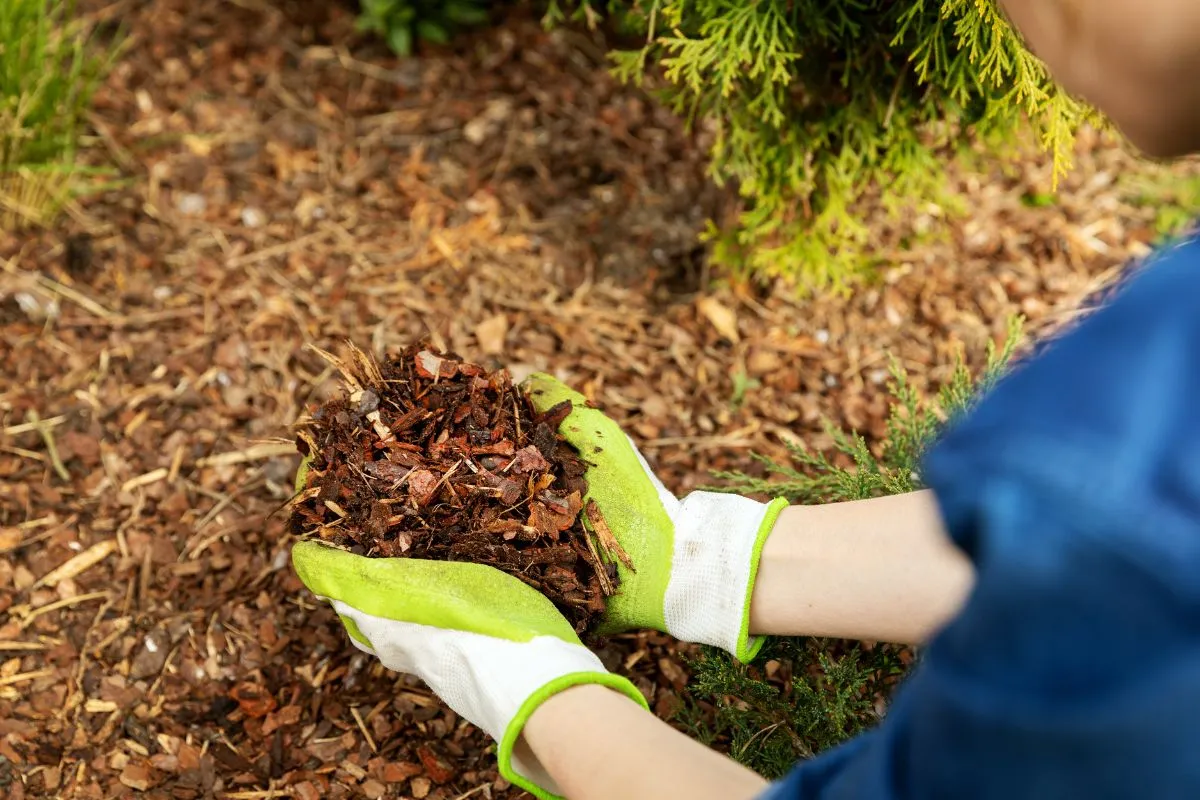
Beyond the immediate benefits, consistent and well-timed mulching pays off over years. As organic mulch decomposes, it feeds the soil with nutrients and improves its structure — which is especially helpful in Charlotte's dense red clay. Healthier soil means stronger plants, better drainage, and less need for fertilizer and supplemental watering.
Mulched beds also dramatically cut down on maintenance. Fewer weeds mean less pulling and spraying, and better moisture retention means less time spent watering during summer dry spells. For busy homeowners, that's hours of yard work saved every season, all from a simple, well-timed layer of mulch.
Frequently Asked Questions
Get a Healthier Charlotte Landscape This Season
Knowing when to mulch is one of the easiest ways to protect your investment in your landscape. With the right timing, the right amount, and the right material, mulch keeps your Charlotte yard healthy, vibrant, and low-maintenance all year long.
At The Groundsmen, we take the guesswork out of seasonal lawn care. Our professional mulching service delivers clean, properly applied mulch at the perfect time for our local climate — so your beds look great and your plants thrive.
Ready to refresh your landscape? Contact The Groundsmen today to schedule your mulching service and enjoy a healthier, more beautiful yard with none of the hassle.