
Native Plant Landscaping in Charlotte: Sustainable and Beautiful
Imagine a yard that practically takes care of itself, bursts with color through the seasons, and buzzes with butterflies and birds. That's the promise of landscaping with native plants charlotte nc homeowners can rely on. Plants that evolved right here in the Carolina Piedmont are built for our red clay soil, hot humid summers, and mild winters — which means less watering, less fuss, and more beauty.
In this guide, we'll cover why native landscaping makes so much sense in Charlotte, the best species for our region, what to avoid, and how to get started on a yard that's both gorgeous and good for the planet.
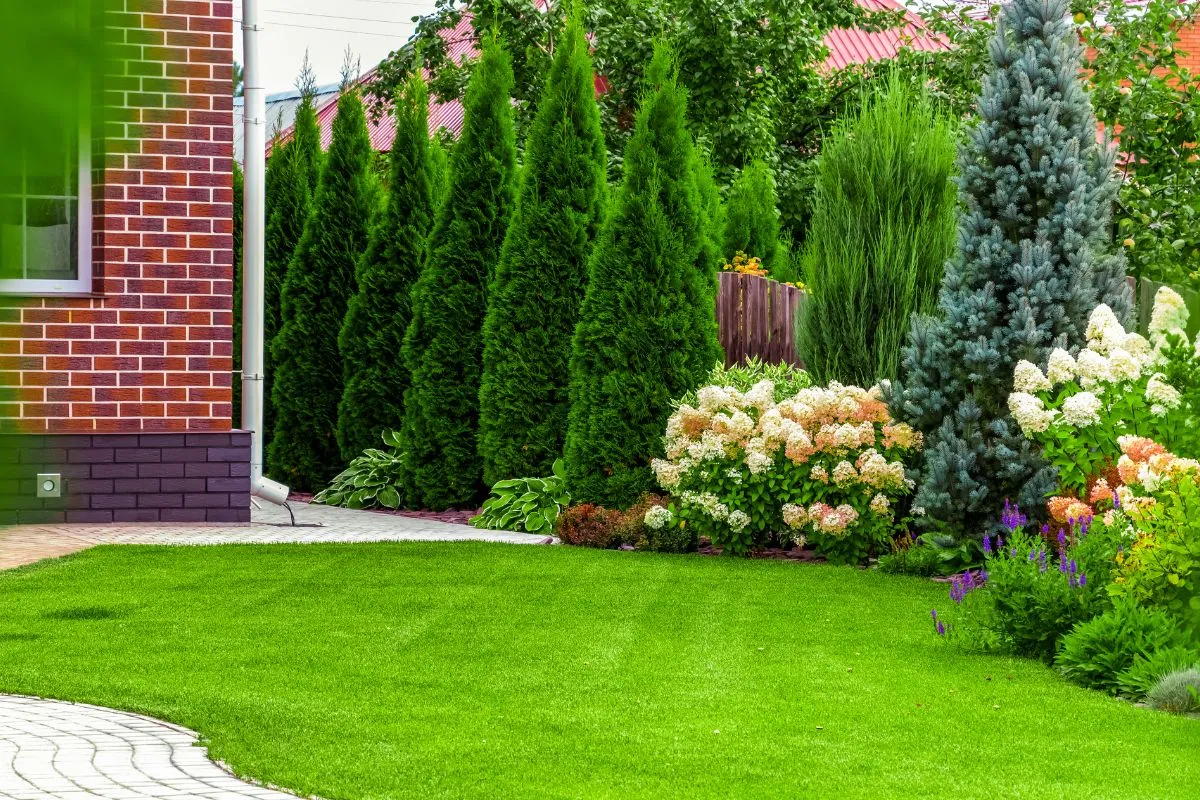
Why Go Native in Charlotte?
Charlotte sits in USDA hardiness zone 7b to 8a, with red clay soils, generous rainfall, and the occasional summer drought in July and August. Plants that originated elsewhere often struggle in these conditions, demanding constant irrigation, fertilizer, and chemical help just to survive.
Native plants are different. Having adapted to local conditions over thousands of years, they thrive with minimal intervention. The benefits are real and immediate:
- Less watering once established, since natives handle our rainfall patterns
- Lower maintenance with little need for fertilizer or pesticides
- Stronger resilience against local pests, disease, and weather extremes
- Wildlife support for pollinators, birds, and beneficial insects
- A sense of place that connects your yard to the natural Carolina landscape
According to the U.S. Forest Service, invasive non-native species have contributed to the decline of 42% of threatened and endangered species nationwide. Choosing natives is one of the simplest ways homeowners can push back and support local biodiversity.
Best Native Plants Charlotte NC Yards Will Love
When selecting native plants charlotte nc landscapes thrive on, it helps to mix trees, shrubs, flowers, and grasses for year-round interest. Here are some of the best performers for our Piedmont region.
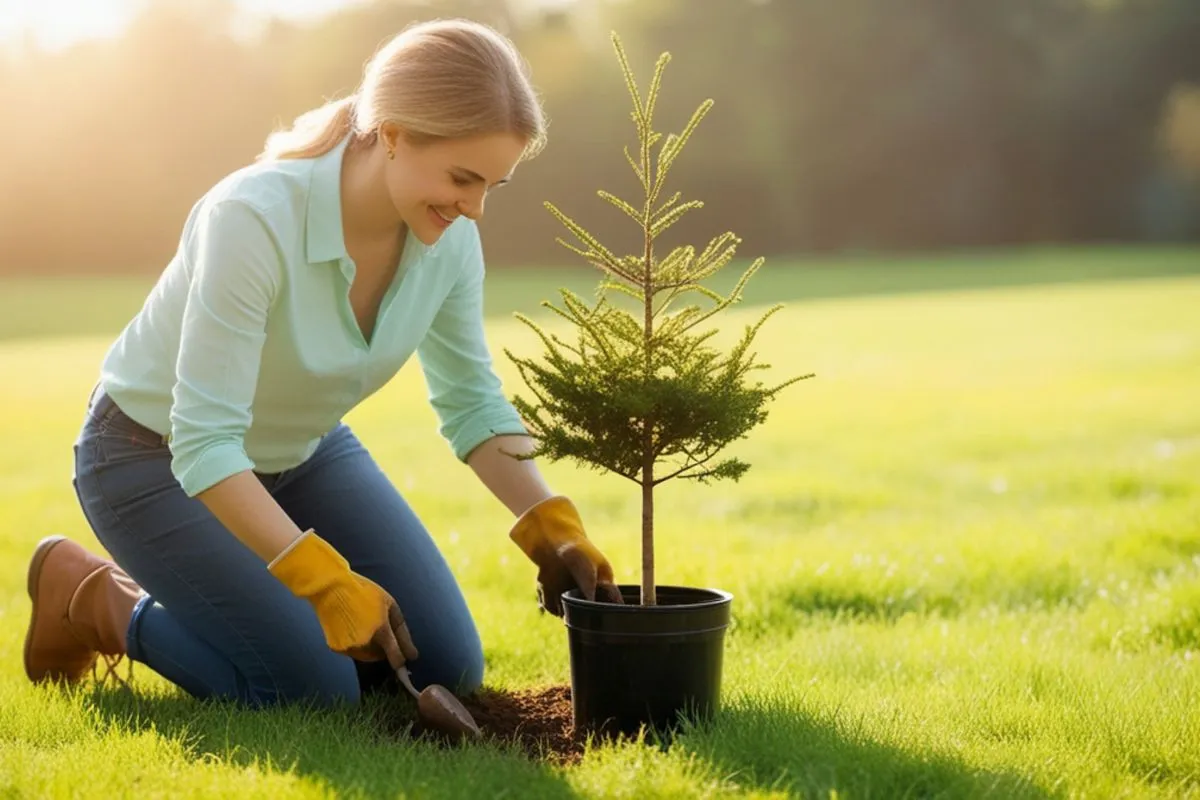
- Eastern Redbud (Cercis canadensis): A spring showstopper with pink-purple blooms before the leaves emerge
- Flowering Dogwood (Cornus florida): North Carolina's state flower, offering white spring blossoms and red fall berries
- Southern Magnolia (Magnolia grandiflora): Glossy evergreen foliage and large, fragrant white flowers
- Oakleaf Hydrangea (Hydrangea quercifolia): Showy white blooms and oak-shaped leaves that turn burgundy in autumn
- Carolina Allspice (Calycanthus floridus): A rounded shrub prized for its sweetly fragrant flowers
- Yaupon Holly (Ilex vomitoria): Evergreen, adaptable, and excellent for hedges or screening
- Purple Coneflower (Echinacea purpurea): Drought-tolerant blooms that pollinators adore
- Black-Eyed Susan (Rudbeckia hirta): Cheerful golden flowers that bloom for weeks
- Cardinal Flower (Lobelia cardinalis): Scarlet-red spikes that hummingbirds can't resist
- Milkweed (Asclepias species): The essential host plant for monarch butterfly caterpillars
- Carolina Phlox (Phlox carolina): Fragrant clusters of pink, lavender, or white blooms
- Carolina Jessamine (Gelsemium sempervirens): An evergreen vine with bright yellow early-spring flowers, perfect for arbors
- Switchgrass (Panicum virgatum): Deep-rooted native grass that adds texture and turns golden in fall
- Big Bluestem (Andropogon gerardii): A prairie grass with roots that can reach 12 feet, improving soil and preventing erosion
Designing with Red Clay Soil in Mind
Charlotte's famous red clay can be a challenge — draining slowly after heavy spring rains and compacting in the heat. The good news is that many native plants actually prefer these conditions, and a few smart design moves make all the difference.
Tips for working with clay soil:
- Choose clay-tolerant natives rather than fighting your soil type
- Amend planting areas with compost to improve structure and drainage
- Group plants by water needs so moisture-loving and drought-tolerant species aren't competing
- Consider a rain garden in a low spot, using natives like swamp milkweed, Joe-Pye weed, and cardinal flower that love periodic wetness
Matching the right plant to the right spot is the single biggest factor in long-term success. A native that suits your sun, soil, and moisture will reward you for years with almost no effort.
Native Plants That Support Local Wildlife
One of the most rewarding parts of native landscaping is watching your yard come alive. Native plants and local wildlife evolved together, so your garden becomes a working habitat rather than just decoration.
- Milkweed is the only food source for monarch butterfly caterpillars, making it vital for their survival
- Purple coneflower and beebalm draw in native bees, butterflies, and beneficial insects
- Berry-producing shrubs like wax myrtle feed birds through the colder months
- Native grasses provide shelter and nesting material for small wildlife
If you'd like to see thriving native plantings up close before designing your own, the UNC Charlotte Botanical Gardens and the Little Sugar Creek Greenway both showcase Carolina natives in beautiful, established settings.
Invasive Plants to Avoid in Mecklenburg County
Just as important as what you plant is what you don't. Some popular landscaping plants are actually invasive in our area, crowding out natives and damaging local ecosystems.
The most common invasive species in Mecklenburg County is Autumn Olive (Elaeagnus umbellata), which forms dense thickets that smother native shrubs and wildflowers. Other plants to avoid include English ivy, Bradford pear, and Chinese privet. When in doubt, ask a local professional or check the Mecklenburg County resources before adding something new to your landscape.
How to Get Started with Native Landscaping
Converting part or all of your yard to natives doesn't have to be overwhelming. A phased, thoughtful approach works best.
Note sun exposure, soil moisture, and drainage in each area. Understanding what you're working with is the foundation of a successful native planting plan.
Convert one bed or border first, then expand as you gain confidence. Starting small lets you learn what works in your specific yard before committing to a full transformation.
Native nurseries and the North Carolina Native Plant Society are great resources for region-appropriate species that are already adapted to our exact conditions.
Remove non-native turf and amend with compost where needed. Good soil preparation gives your natives the best possible start and reduces the time until they're fully established.
Cooler weather helps roots establish before summer heat. Fall planting is especially effective in Charlotte, giving plants a full season underground before they have to face the summer.
Even drought-tolerant natives need regular water their first season. Once established, your native landscape will need far less from you while giving back season after season.
Planning for Year-Round Color and Interest
One of the biggest myths about native landscaping is that it looks wild or unkempt. With a little planning, a native yard can offer something beautiful in every season, from early spring blooms to winter texture.
A simple seasonal layering approach:
- Spring: Eastern redbud, flowering dogwood, and Carolina jessamine open the season with vivid color
- Summer: Purple coneflower, black-eyed Susan, beebalm, and milkweed carry the warm months and feed pollinators at their peak
- Fall: Oakleaf hydrangea foliage turns burgundy, asters bloom late, and native grasses shift to gold
- Winter: Evergreen yaupon holly and southern magnolia, plus the structural seed heads of switchgrass and coneflower, keep the landscape alive
By choosing a mix of plants that peak at different times, your yard never goes flat. Seed heads and grasses left standing through winter also provide food and shelter for birds. The trick is to think in layers — combining trees, shrubs, perennials, and grasses so there's always something happening at eye level and above.
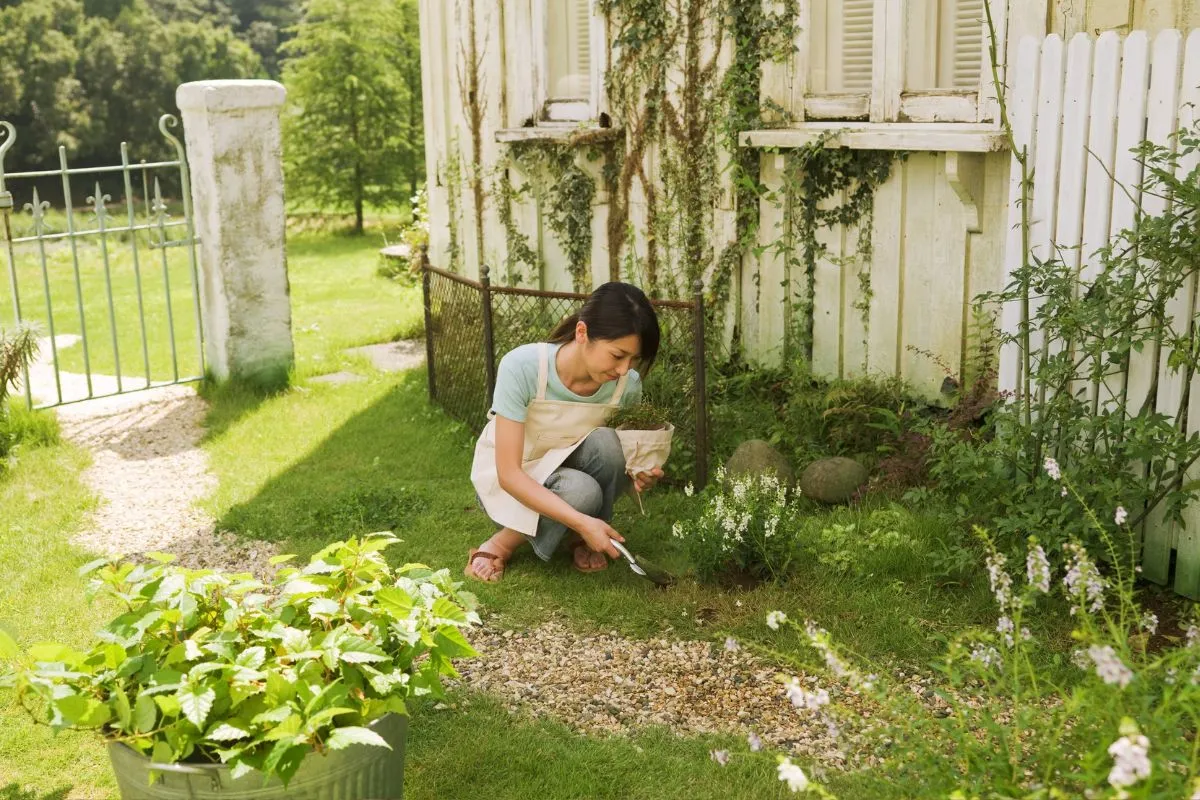
The Long-Term Payoff
Native landscaping isn't just an environmental choice — it's a smart financial one. Reduced water bills, lower maintenance costs, and fewer plant replacements add up over time. A well-designed native landscape also boosts curb appeal and property value, since sustainable, low-maintenance yards are increasingly sought after in the Charlotte market.
Best of all, you get a yard with genuine character — one that reflects the natural beauty of the Carolinas and changes gracefully with the seasons.
Frequently Asked Questions
Create Your Sustainable Charlotte Landscape Today
Native plant landscaping gives you the best of both worlds: a beautiful, distinctive yard and a lower-maintenance, eco-friendly outdoor space that supports local wildlife. With the right native plants charlotte nc homeowners can count on, your landscape will flourish for years with far less work.
At The Groundsmen, we help Charlotte homeowners design and install thriving, sustainable landscapes suited to our local soil and climate. From plant selection to professional planting and ongoing care, our team brings the expertise to make your vision a reality.
Ready to transform your yard the sustainable way? Contact The Groundsmen today for a consultation and let's create a Charlotte landscape that's as easy to love as it is beautiful.