
Landscape Lighting Charlotte: Safety and Elegance at Home
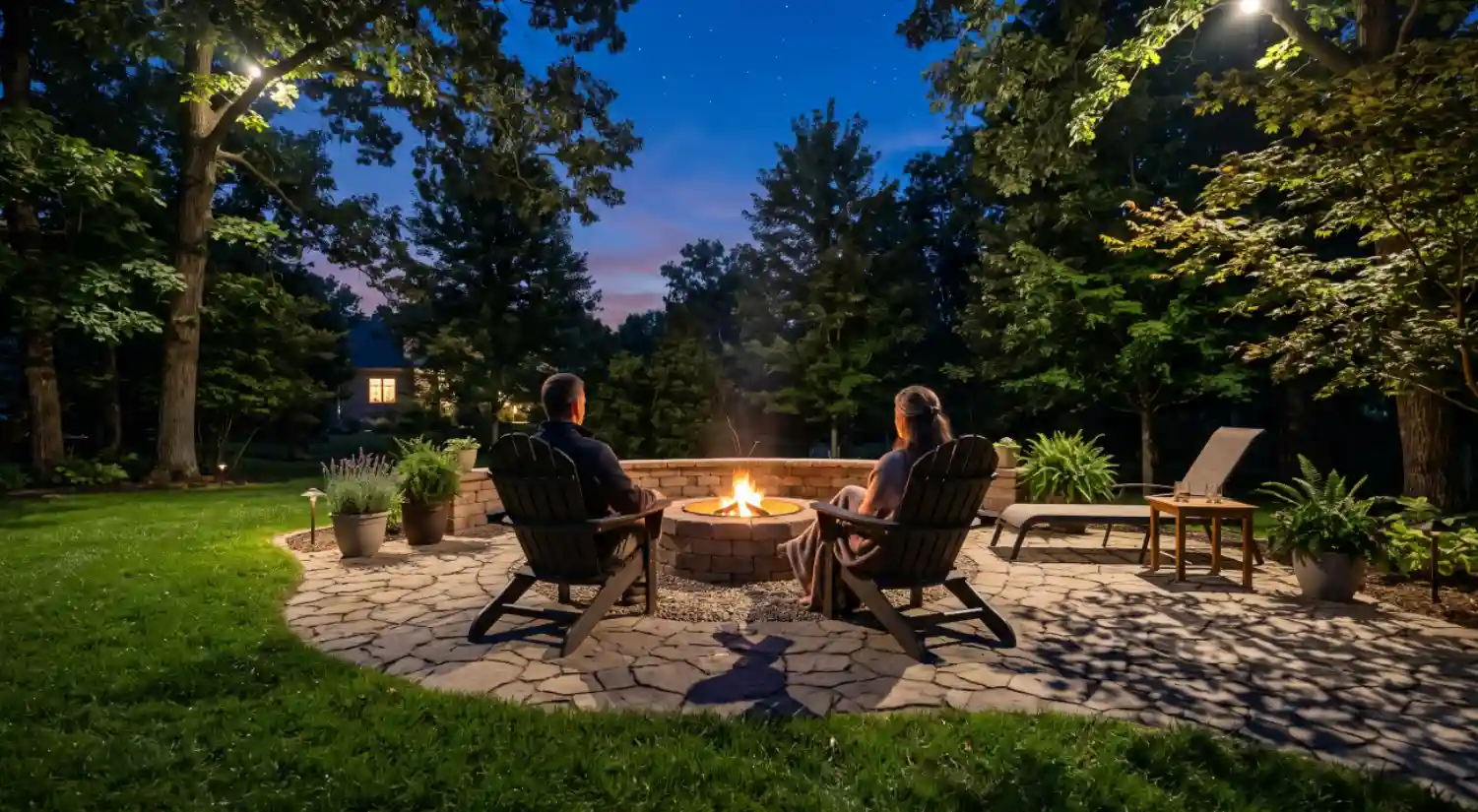
Landscape lighting Charlotte homeowners invest in does far more than make a yard look pretty after dark. A well planned lighting design keeps walkways safe, discourages unwanted visitors, highlights the trees and stonework you paid good money for, and extends the hours you actually get to enjoy your outdoor space. In a city where warm evenings stretch from April through October, that last benefit alone is worth the investment. If you already gather around one of the outdoor fire features in Charlotte we covered in a recent post, the right lighting turns that patio into a true evening living room.
This guide walks through how landscape lighting design works, the techniques professionals use, the mistakes to avoid, and what Charlotte homeowners should think about before buying a single fixture.
Why Landscape Lighting Matters for Charlotte Homes
Charlotte neighborhoods are full of mature oaks, brick facades, sloped lots, and layered plantings. Those features look wonderful in daylight and disappear completely at night unless something is lighting them. Good landscape lighting brings the property back into view after sunset and does three important jobs at the same time.
Safety. Steps, grade changes, and uneven pavers are the most common causes of trips and falls around a home. Path lights and step lights make those transitions obvious so family and guests can move around confidently.
Security. A home with lit entry points, a lit driveway, and no dark corners along the foundation is a far less attractive target. Lighting removes the hiding spots that make a property easy to approach unnoticed.
Elegance. Beyond the practical benefits, a thoughtful lighting plan adds depth, texture, and drama. It can make a modest front yard feel like a designed landscape and make a large backyard feel intimate and welcoming.
When people search for landscape lighting Charlotte providers, they usually start with one of those three goals in mind. The best designs deliver all three.
The Core Techniques Behind Great Landscape Lighting Design
Professional lighting designers work from a small set of proven techniques. Understanding them will help you evaluate any proposal you receive.
Uplighting
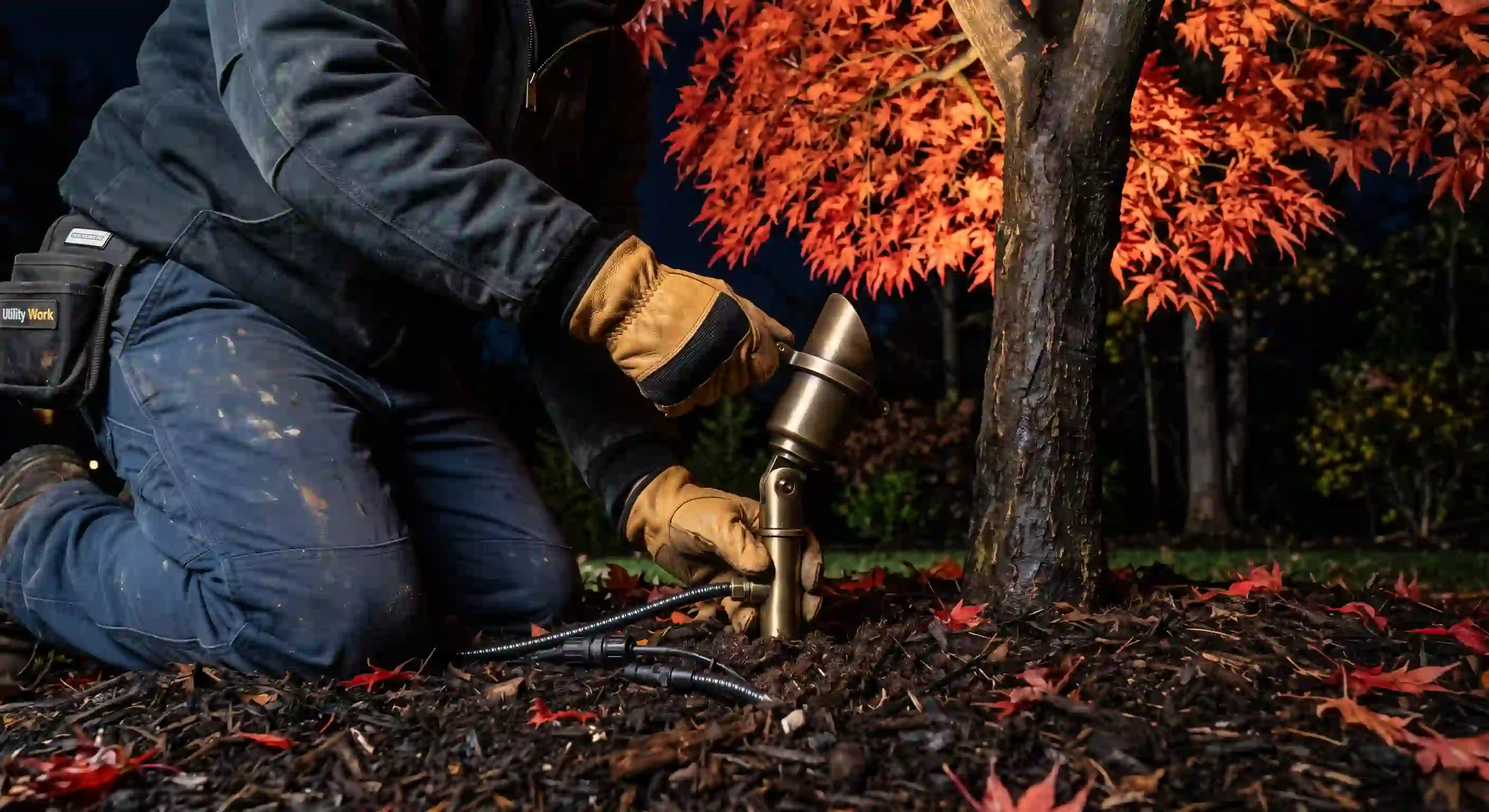
Fixtures placed at ground level shine upward onto tree canopies, columns, or textured walls. Uplighting a large willow oak or crape myrtle is one of the most dramatic things you can do on a Charlotte lot, and it makes the tree read as a sculpture rather than a dark shape.
Downlighting and Moonlighting
Fixtures mounted high in a tree or on a structure cast light downward, mimicking natural moonlight. The effect is soft, and the shadows of branches on the lawn feel natural rather than staged. This is a favorite technique for large backyards and for lighting patios without glare.
Path and Walkway Lighting
Low fixtures spaced along walkways guide people from the driveway to the door and from the patio to the yard. The goal is gentle pools of light, not a runway. Overdoing path lights is one of the most common mistakes in landscape lighting Charlotte homeowners regret later.
Wall Washing and Grazing
Washing spreads an even glow across a broad surface such as a brick facade. Grazing places the fixture close to the surface so light skims across it and emphasizes texture. Stacked stone, stucco, and retaining walls all come alive with grazing.
Silhouetting and Shadowing
Placing a light behind an object creates a silhouette against a wall. Placing it in front throws an enlarged shadow onto the wall. Both techniques add depth to landscape lighting Charlotte designs and work especially well with ornamental grasses and Japanese maples.
Step and Hardscape Lighting
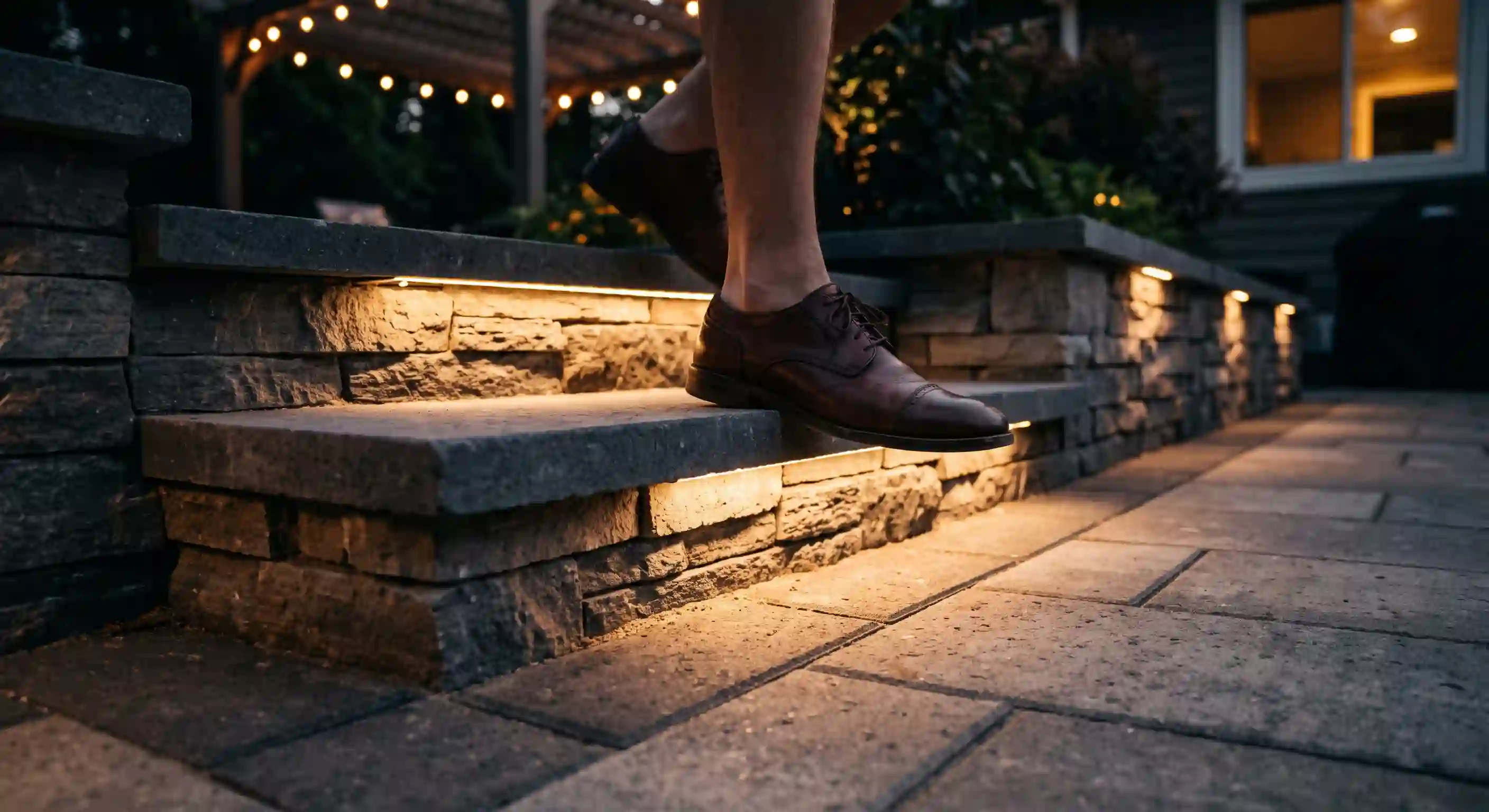
Small fixtures built into risers, seat walls, and cap stones provide subtle, glare free light exactly where feet need it. These are usually installed during construction, which is why lighting and hardscaping should be planned together.
Planning Lighting Around Your Hardscape
The most polished landscape lighting Charlotte properties display is rarely an afterthought. It is designed at the same time as the patio, walls, and walkways. Running conduit under a paver patio before it is laid, leaving sleeves through a retaining wall, and building recessed fixtures into steps all cost very little during construction and a great deal after the fact.
If you are planning a new patio, fire pit area, or retaining wall, talk with your contractor about lighting early. Our hardscaping services in Charlotte include this kind of coordination so the finished space works as well at 9 p.m. as it does at noon. Even if the fixtures are added later, having the wiring in place saves you from trenching through a finished landscape.
Hardscape lighting also solves the safety problem in the most elegant way possible. A seat wall with a soft glow beneath its cap lights the patio floor without a single visible fixture, and a set of steps with integrated riser lights never needs a bright floodlight above them.
Choosing the Right Fixtures and Systems
Most residential landscape lighting Charlotte systems today run on low voltage LED. A transformer steps household current down to 12 volts, which makes installation safer and allows fixtures to be moved or added without an electrician for each change.
A few things worth knowing when comparing options:
- Fixture material matters. Solid brass and copper fixtures last for decades outdoors and develop a natural patina. Aluminum and plastic fixtures are cheaper but tend to corrode or crack within a few seasons, especially in Charlotte humidity and clay soil.
- Color temperature sets the mood. Warm white in the 2700K range flatters brick, wood, and foliage and feels welcoming. Cooler temperatures can look clinical on a residential property.
- Beam spread should match the target. A narrow spot for a tall tree trunk, a wide flood for a canopy or wall. Mismatched optics are a frequent reason DIY installs look flat.
- Controls make the system easy to live with. Astronomical timers adjust to sunset automatically, and smart controls let you dim zones or schedule scenes from your phone.
Quality fixtures are designed to be serviced. Ask whether they can be re aimed, whether lamps are replaceable, and what the warranty covers before you sign anything.
Common Landscape Lighting Mistakes to Avoid
Even well intentioned landscape lighting Charlotte projects go wrong in predictable ways. Watch for these:
- Too many path lights. A line of bright fixtures every three feet looks like an airport runway. Space them generously and let the light overlap gently.
- Glare into the eyes. Fixtures that shine toward a window, a seating area, or the street defeat the purpose. Good designers hide the source and show only the effect.
- Lighting everything. Contrast is what makes lighting beautiful. If every surface is lit evenly, nothing stands out. Choose a few focal points and leave the rest in shadow.
- Ignoring maintenance. Plants grow, mulch shifts, and fixtures get bumped by mowers. A yearly adjustment keeps the design looking the way it did on day one.
- Undersized transformers. Adding fixtures later is common, so leave capacity in the system from the start.
Seasonal Considerations for Charlotte Yards
Charlotte's climate gives landscape lighting a long season, but it also creates a few local challenges. Summer growth can swallow fixtures placed too close to shrubs, so leave room for plants to fill in. Heavy clay soil holds water, which means fixtures and wire connections need to be properly sealed. Fall leaf drop can bury ground level fixtures within days, so clear them regularly.
Winter is actually one of the best times to appreciate landscape lighting Charlotte homes have installed. Bare branches on uplit trees create intricate shadow patterns, and holiday gatherings put more people outdoors after dark than almost any other time of year.
What Professional Landscape Lighting Costs in Charlotte
Pricing varies with the number of fixtures, fixture quality, and how much wiring is involved. A modest front yard package with a few uplights and path lights sits at the lower end, while a full property design with hardscape integration, moonlighting, and smart controls sits at the top. Phasing works well: start with the entry and primary walkways for safety, then add backyard and feature lighting as budget allows.
Because a low voltage system is expandable, the first phase is never wasted. A well built landscape lighting Charlotte plan grows with the property rather than needing to be torn out and redone.
Bring Your Charlotte Landscape to Life After Dark
Landscape lighting Charlotte homeowners can be proud of starts with a clear plan, quality fixtures, and coordination with the rest of the landscape. Whether you are building a new patio, updating a front entry, or simply want to see your favorite tree at night, The Groundsmen Landscaping can help you design outdoor spaces that are safe, elegant, and ready to enjoy well past sunset. Reach out to start planning your lighting project today.
Frequently Asked Questions
How long do LED landscape lights last?
Quality LED fixtures typically run 40,000 hours or more, which translates to well over a decade at normal nightly use. Brass housings last far longer than that.
Can landscape lighting be added to an existing yard?
Yes. Low voltage wire is buried only a few inches deep, so installers can add lighting to a finished landscape with minimal disruption. Integrating fixtures into existing steps or walls is more involved, which is why planning during construction is ideal.
Does landscape lighting increase home value?
Real estate professionals consistently list outdoor lighting among the exterior upgrades that improve curb appeal and buyer perception. It is one of the more affordable ways to make a home feel finished.
How much does it cost to run landscape lighting?
A typical LED system uses a fraction of the electricity of older halogen setups and often costs only a few dollars a month to operate.
How do I know if I need a professional?
If your plan includes trees, steps, or hardscape, or if you want a cohesive design rather than a scattering of lights, a professional install pays for itself in fixture longevity and results.